
🛍️ Why Shopping in Andaman Is So Special
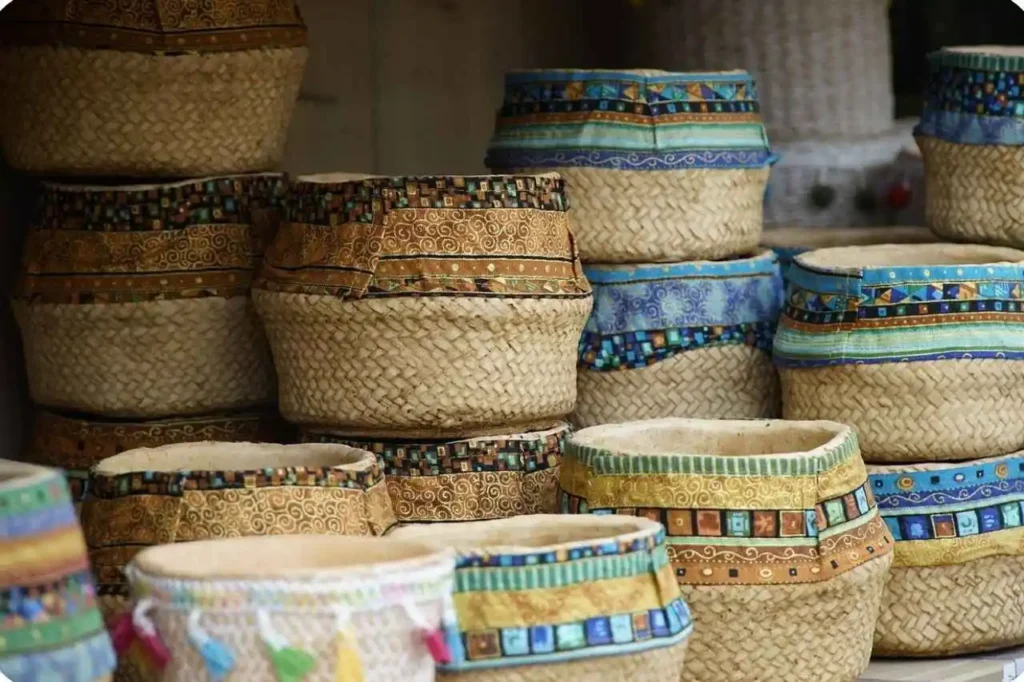
When you visit a city mall or a big market, most of the products are made in factories by machines. The designs are the same and you can find identical items everywhere. But in Andaman, the shopping experience is very different and more personal.
● Handmade, Not Machine-Made
In Andaman, many products are made by local people, not by big machines. Island artisans create items with their own hands, which makes every piece slightly different from the other. Because everything is handmade, it takes more time and effort to produce. That is one reason why these products feel more special and meaningful.
● Made from Natural Materials
Most of the items you find in Andaman are made from natural things available on the islands. Coconut shells, real seashells, local Padauk wood, bamboo, and spices are commonly used. Instead of plastic souvenirs, you get products that are close to nature. This gives a more authentic feeling and reminds you of the island even after you go back home.
● Protected and Genuine Items
In Andaman, pearls and shells cannot be collected randomly from the sea. There are rules and restrictions to protect marine life. Only authorised shops are allowed to sell genuine pearls and shell products. So it is important to choose the right store if you want original and legal items. Sometimes tourists do not know this and buy from the wrong place.
● Limited Designs, Not Mass Production
You will not see hundreds of identical pieces in one shop. Most artisans make products in limited quantity. Because of this, the designs feel rare and unique. When you buy something from Andaman, it feels like you are taking a special memory, not just a normal product.
In this blog, we will learn in more detail about Andaman product shopping and the best places where you can buy these unique items.
🏝️ What Makes Shopping in Andaman Different From Mainland India
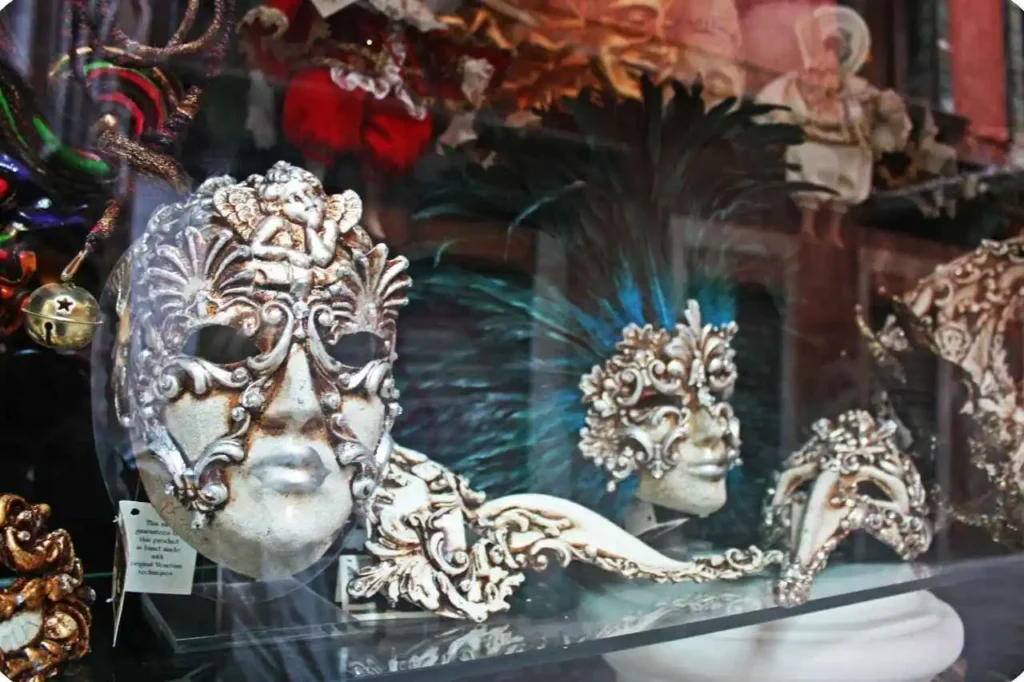
Shopping in Andaman is not like shopping in mainland India. Here, nature is protected strictly, products are limited, and you need to be more careful while buying souvenirs. The experience feels different because the islands follow special rules and depend heavily on local resources.
● Government-Controlled and Restricted Items
Imagine you are walking on the beautiful beaches of Andaman and you see attractive shells, small coral pieces, and colorful stones. You may feel like taking them home as souvenirs. But this is not allowed.
Nature is strictly protected here. Coral, whether dead or alive, cannot be taken home. Some sea shells are restricted. Anything related to turtles is completely banned. Even roadside sellers who claim to sell “original pearls” are often not legal.
If you want to buy something safely, purchase only from trusted places like government shops such as Sagarika Emporium, authorized handicraft stores, and properly certified sellers. At the airport, luggage is checked carefully. Many tourists pick up shells out of excitement, and security removes them during checking. It can spoil your mood at the last moment of the trip.
● Authentic Handicrafts vs Imported Souvenirs
In many tourist destinations, shops look local but the products actually come from big mainland cities. The same thing can happen in Andaman too, so you need to shop wisely.
Some items are genuinely made in Andaman. Coconut shell bowls and showpieces, Padauk wood carvings made from the island’s native wood, bamboo crafts, handmade jewellery, and local spices like cloves, cinnamon, and nutmeg are truly local products. These items often have small imperfections like uneven polish or slightly imperfect shapes. That is a sign they are handmade, not machine-made.
On the other hand, there are products made only to attract tourists. “I Love Andaman” printed items, very shiny shell decorations, and cheap pearls are usually imported from outside and just sold here. In Andaman, simple and natural-looking items are often original, while perfectly identical pieces kept in large quantity are mostly imported goods.
● Price and Bargaining
In mainland markets, bargaining is very common. The shopkeeper may say 300 rupees, you say 150, and finally a deal happens somewhere in between.
Andaman works a little differently. Most goods arrive by ship, transportation costs are high, and shopkeepers keep limited stock. Their profit margins are usually small. Many shops follow fixed prices, and heavy bargaining may not be appreciated.
A 300-rupee item may not become 150, but if you politely ask, it may reduce slightly to around 250. So always bargain respectfully and aim for a fair price instead of pushing too much.
● When Should You Shop During the Trip
Many tourists start shopping on the first day. They buy what they like and later realize it was available at a cheaper price somewhere else.
A better plan is to spend the first one or two days exploring and observing the products. Try to understand the difference between real and fake items and get an idea of the price range. You can buy small souvenirs from Havelock and Neil Island just for memories.
For proper and serious shopping, the best places are in Port Blair, especially Aberdeen Bazaar and Sagarika Emporium. Here you will find more variety and more reliable options.
Link: Andaman full Guide
🏬 Shopping in Port Blair – Main Markets and What to Buy
Port Blair is the main gateway to Andaman, and it is also one of the best places for shopping on the islands. If you want variety, better price options, and many shops in one area, this is where you should explore properly.
● Aberdeen Bazaar – The Heart of Shopping in Port Blair
As soon as you reach Port Blair, Aberdeen Bazaar is the most popular place for shopping. It is one of the oldest and busiest markets in the city. That is why most tourists visit this market, and local residents also come here for their daily needs. Because of this mix of tourists and locals, it is considered one of the best shopping areas in Port Blair.
In this market, you can find almost everything in one place. There are small souvenir shops, handicraft stores, jewellery counters, and general stores all located close to each other. You do not need to move around too much, as most items are available within walking distance.
● What You Can Buy from Aberdeen Bazaar
Most visitors come here to buy souvenirs and local handicrafts. You can easily find shell keychains, small decorative showpieces, shell lamps, and other home decoration items. Pearl necklaces, earrings, and simple pearl sets are also available in many shops. Wooden trays, small carved wooden pieces, and coconut shell products are commonly sold here as well.
These items are good for gifting and also work as a memory of your Andaman trip. However, you should be a little careful. Some shopkeepers claim their products are 100 percent original and increase the price. Do not blindly trust such claims. It is better to ask for a proper bill and check the product carefully. At tourist places, this kind of situation is quite normal.
If you prefer fixed prices and a more reliable option, then Sagarika Emporium is usually a better choice because it is government-run and prices are more transparent.
● Approximate Price Range
In Aberdeen Bazaar, small keychains and simple souvenirs generally cost between 50 to 150 rupees. Shell decorative items can range from around 200 to 1000 rupees, depending on the size and design. Pearl jewellery usually starts from around 300 rupees and can go up to 2000 rupees or more, depending on the quality. Wooden decorative items are often priced between 300 and 2500 rupees.
Prices are not always fixed. They may go up or down depending on the type of product, the amount of handwork involved, transport costs, shop rent, and overall demand. Because of this, the price can vary slightly from one shop to another.
● Sagarika Government Emporium – Authentic and Trusted Shopping Place
When it comes to buying genuine handicrafts in Andaman, Sagarika Government Emporium is considered one of the most trusted places. This is not a regular private shop. It is a government-run store under the Andaman and Nicobar Administration. Because of this, there is very little chance of illegal or random items being sold here.
When you enter the store, you will see proper and well-made handicrafts. You can find showpieces made from coconut shell, the famous Padauk wood products of Andaman, and legally processed seashell items. Some products have tribal-style designs, but they are replicas or inspired designs, not original tribal artifacts.
The most important point is that Sagarika does not sell coral, whether dead or alive, raw shells, or any protected marine items. Nature is strictly protected in Andaman, so such items are not allowed for sale. You also receive a proper bill for every purchase, so you will not face any issues during airport checking.
● Fixed Price System at Sagarika
Sagarika follows a fixed price system. The price written on the product is the final price. At first, it may feel slightly expensive compared to local shops, but you do not have to worry about overcharging. You pay the correct and official price without any confusion.
● Junglighat Market – A Real Local Market Experience
If you want to see the local life of Andaman closely, you should visit Junglighat Market at least once. This market is not specially made for tourists. Mostly local residents come here for their daily needs. The real crowd is seen in the morning and evening when people are buying vegetables, groceries, and fish.
The market is very simple. There are no fancy lights or decorations, just normal shops and the daily routine of local people. It gives you a realistic view of how people live in Port Blair.
● Spices and Daily Groceries
In Junglighat, you will find basic spices like turmeric, chili powder, and coriander powder. These are common spices available across India. There is nothing very unique here for tourists, so it is not really a souvenir shopping place. It is more about observing daily life rather than buying special products.
● Dry Fish Market
Since Junglighat is close to the sea, fish trading has been common here for many years. If you visit in the morning, you can see both fresh fish and dry fish being sold. The smell of dry fish can be strong. For first-time visitors, it may feel a little uncomfortable, but for local people it is normal. Many Bengali and South Indian families regularly buy dry fish because it is used in their home cooking.
Local Snacks and Small Shops
In Junglighat Market, you will mostly find snacks that are available all over India. There is nothing very different. You can see chips, biscuits, cold drinks, small bakery shops, and roadside food like samosa and pakoda. People do not come here for sightseeing or photos. They come to buy daily essential items. If you listen carefully, you will hear Hindi along with Tamil and Bengali, as people from different states live in Andaman.
● Delanipur and Goalghar – Budget Shopping Areas
● Delanipur – Simple Clothes on a Budget
Delanipur is located inside Port Blair city and is not far from Aberdeen Bazaar. You can easily reach here by auto. It is not a mall, but a simple local market where people buy clothes for daily use.
You can find regular T-shirts, shirts, track pants, lowers, ladies’ leggings and kurtis, simple cotton beach tops, slippers, and flip-flops. If during your trip you suddenly need an extra T-shirt, forgot to pack beach shorts, or want something affordable, this market is a good option. It is practical and budget-friendly.
● Goalghar – Basic and Affordable Shopping Area
Goalghar is mainly a residential area of Port Blair where you can find small garment stores. It is not a tourist-focused shopping place. Most local residents buy their daily wear clothes from here.
You can get casual wear such as simple shirts, T-shirts, cotton shorts, trousers, ladies’ daily wear dresses, children’s clothes, beach shorts, and light outfits. The area is simple but useful if you need basic clothes at a reasonable price during your trip.
● Shopping in Neil Island (Shaheed Dweep) Andaman
Neil Island Andaman is a small, quiet and slow-paced island. Here you will not find big malls or large shopping markets like Port Blair’s Aberdeen Bazaar or Havelock Island. Instead, there are small local shops and stalls where tourists can buy simple souvenirs.
Most of the shops are located around the main market and near the beaches. At these places you can find shell crafts, handmade jewellery, coconut handicrafts and simple souvenirs. Shopkeepers usually accept both cash and UPI, but sometimes network issues can happen, so it is better to keep some cash with you.
🚢 Havelock Island Market – What and Where to Buy
Havelock, officially known as Swaraj Dweep, offers very simple and basic shopping options. You will not find big malls or air-conditioned shopping complexes here. Most shops are small local stores, with a few stalls near the beaches and some simple souvenir shops. Shopping here is more about convenience than variety.
● Havelock Jetty Market – Where Shopping Begins
As soon as you arrive at Havelock by ferry, you will see a small market near the jetty area. The market is not very big, but since most tourists enter the island from here, many people do quick shopping at this place.
You can buy basic travel and beach items like flip-flops, slippers, sunglasses, caps, and hats. Sunscreen, waterproof mobile covers, and beach towels are also easily available. Many shops sell simple “Andaman” printed T-shirts and basic handmade jewellery. These items are useful if you forgot to carry something or need it urgently for beach activities.
● Beach Shops Near Radhanagar and Govindpur
Near the entrance of Radhanagar Beach and around the Govindpur area, you will find small shops and temporary stalls. Some are made of tin or wood and look very simple. Many tourists shop here while spending time at the beach.
The products are mostly related to beach use and small souvenirs. Prices can be slightly higher because of the tourist location, so it is better to check two or three shops before buying.
● Coconut Handicrafts – A Common Island Souvenir
Since coconuts are easily available in the Andaman Islands, many handicrafts are made from coconut shells. These products are commonly found in local markets if you explore a little.
You can see coconut shell bowls, small decorative items, keychains, and simple carved showpieces. These items are light to carry and make good souvenirs. If you walk around and compare a few shops, you may find better prices.
● Resort Wear and Swimwear
Because Havelock is mainly a beach destination, resort wear and swimwear are widely available. You can buy beach dresses, cotton kaftans, shorts, swimsuits, and sarongs from local shops.
If you forgot to pack swimwear or need light beach clothes, you can easily purchase them here. The quality is usually basic, but it is good enough for short-term vacation use.
👕 Clothes Shopping in Andaman – What Tourists Actually Need
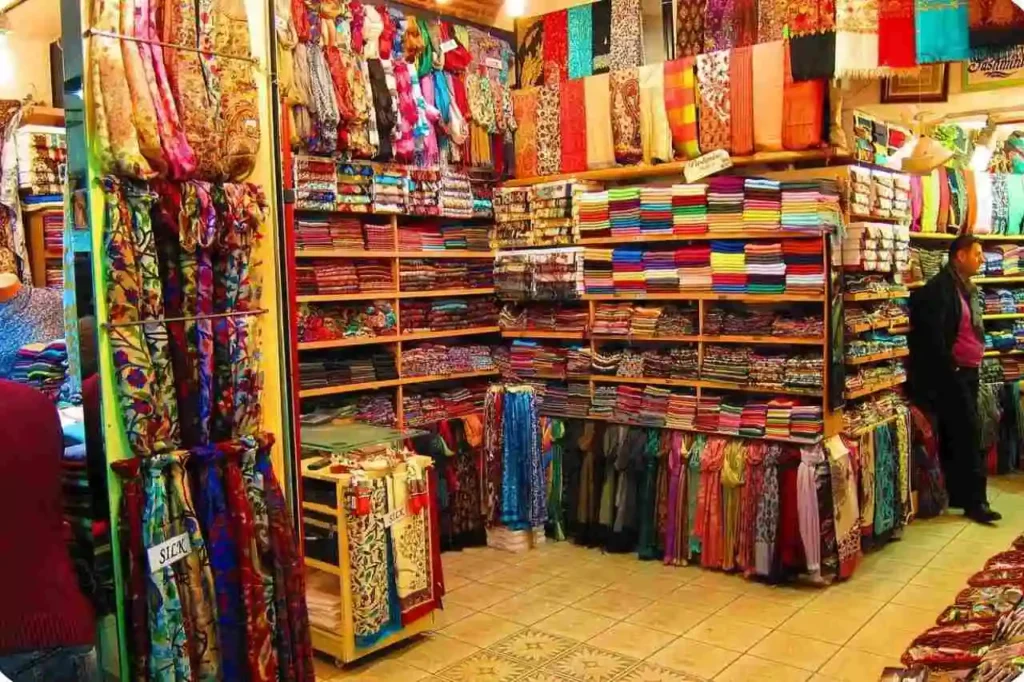
Andaman weather can be a little tricky. It is hot, the air is humid, and light rain can happen anytime. Most tourists spend their time outdoors, visiting beaches and doing activities. So choosing the right clothes becomes very important for a comfortable trip.
● Best Clothes for Andaman Island Weather
If you are planning a trip to Andaman, cotton clothes are the best option. Cotton T-shirts, loose cotton shirts, cotton kurtis, cotton shorts, and light cotton pajamas work very well in this climate. Cotton absorbs sweat and helps your body feel less sticky. It keeps you comfortable even when the humidity is high.
It is always better to wear loose clothes instead of tight ones. Tight outfits can feel uncomfortable in the heat and may not allow proper air circulation. Simple and breathable clothes are more practical for island weather.
● Swimwear and Beach Footwear – A Must
In Andaman, swimwear and beach footwear are very important. Proper swimwear, slippers, flip-flops, or rubber sandals are useful during your stay. If you are planning activities like scuba diving, snorkeling, or other water sports, proper swimwear makes things easier.
Jeans or heavy regular clothes are not practical for beach destinations. Tight or heavy outfits can make you uncomfortable, and you may not enjoy your trip freely. Light and quick-dry clothes are always a better choice.
● Shopping in Andaman – What to Expect
Before shopping, you should understand that Andaman is not like big cities such as Delhi, Mumbai, or Bangalore. It is not a major shopping hub. You will not find large malls or many branded showrooms here.
● Budget Shops – Local Market Style
In local markets, you will find normal roadside or small shops selling basic clothes. T-shirts usually cost around 300 to 600 rupees. Cotton shorts are generally priced between 400 to 800 rupees. Slippers may range from 200 to 500 rupees.
Most T-shirts have simple prints like “Andaman” or “Beach Life.” The clothes are basic and suitable for casual use. Quality is average, but fine for short trips.
● Mid-Range Shops – Slightly Better Quality
Mid-range shops offer slightly better quality clothes. Prices usually range between 800 to 2000 rupees. Here you may find better fabric, resort-style dresses, printed shirts, and sometimes branded-copy type items.
The quality is better compared to budget shops, but prices are usually higher than mainland cities. This happens because most products in Andaman are transported by ship from outside, which increases the overall cost.
For this reason, it is better to carry your comfortable clothes from the mainland. Buy clothes in Andaman only if you forget something or if you want to purchase an item as a memory of your trip.
💰 Price Guide — How Expensive Is Shopping in Andaman
Bargaining
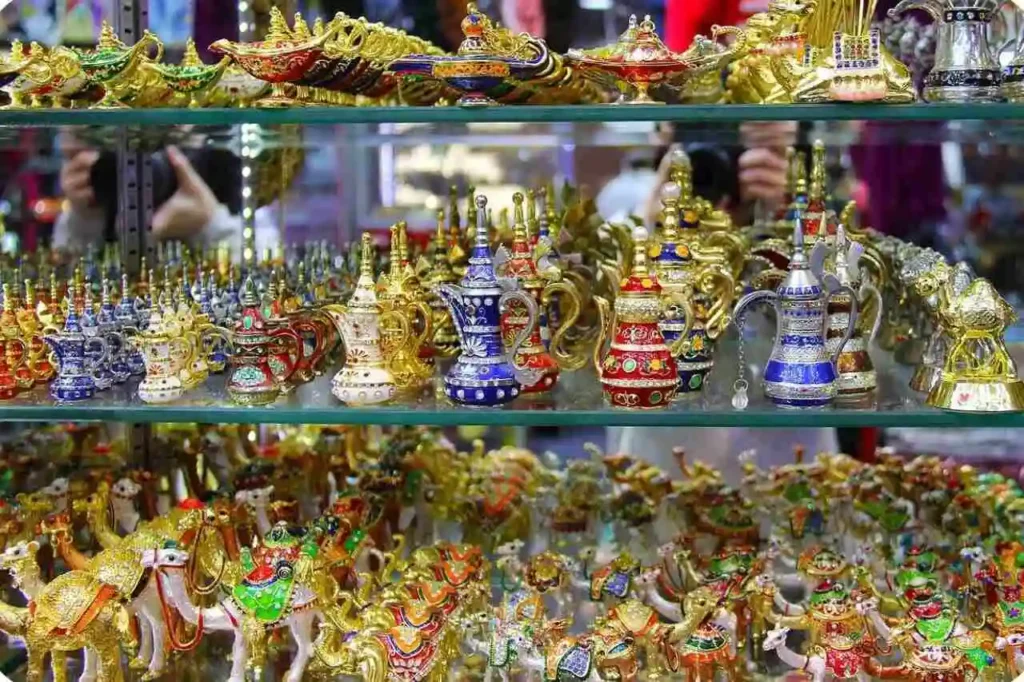
In local market shops, you can bargain. Usually, you can reduce the price by around 10% to 25% from the starting amount. For example, if the shopkeeper says ₹500, you can start negotiating from around ₹350 to ₹400 and then settle somewhere in between.
However, in fixed-price shops, especially AC stores or branded outlets, bargaining is not allowed. The price mentioned on the product is usually final.
● Cash vs UPI vs Card
In Port Blair, Havelock (Swaraj Dweep), and Neil Island, UPI is generally accepted in many shops. Card payments are mostly accepted in bigger and well-established stores.
Still, it is better to carry some cash with you. In Neil Island, the network can be weak sometimes, and UPI payments may fail. Card payments are also accepted in fewer places there, so keeping cash is a safer option during your trip.
🌤️ Best Time and Best Day for Shopping in Andaman
Choosing the right time for shopping in Andaman can make your experience more comfortable. Since most markets are small and located in tourist areas, timing really matters.
● Morning vs Evening – Which Is Better for Shopping?
Morning (10 AM – 1 PM) – Safest and Smartest Time
Morning is usually the safest and smartest time for shopping. When the market opens, the environment is calm and less crowded. Shopkeepers are generally in a fresh mood, and you can check products peacefully.
You get enough time to compare prices and look at different items without any rush. Shopkeepers also give better attention and talk more patiently. If you want to shop seriously and make proper decisions, morning time is the best option.
● Evening (5 PM – 9 PM) – More Crowd, Less Time
In the evening, many tourists return from beaches and ferry rides. Most people go directly to the market after sightseeing, so the area becomes crowded.
Shops get busy, and in some popular souvenir stores, it may even feel like a queue situation. Shopkeepers usually have less time to talk, and bargaining can become slightly difficult.
However, the evening atmosphere feels nice. There are lights, a cool breeze, and a good mood for walking around. If your main focus is enjoying the vibe and exploring casually, evening is fine. But if you want peaceful shopping and better attention, morning is a better choice.
FAQs — Shopping in Andaman and Nicobar Islands
Is shopping expensive in Andaman?
Yes, it is slightly expensive compared to mainland. Most products come from outside by ship, so prices are a bit higher.
Is bargaining allowed in Port Blair markets?
Yes, in local markets you can bargain. But in fixed-price or branded stores, bargaining usually does not happen.
What is famous for shopping in Andaman?
Souvenirs like shell crafts, wooden items, coconut handicrafts, and “Andaman” printed t-shirts are popular.
Can we take seashells in flight?
No, carrying corals and many natural seashells is not allowed. It is better to avoid buying them.
Which market is best in Havelock Island?
The main market near Havelock Jetty (Swaraj Dweep) is the best and most convenient place for shopping.