
👕 Introduction to Andaman and Nicobar Islands Dressing Style
• A Paradise of Culture and Fashion
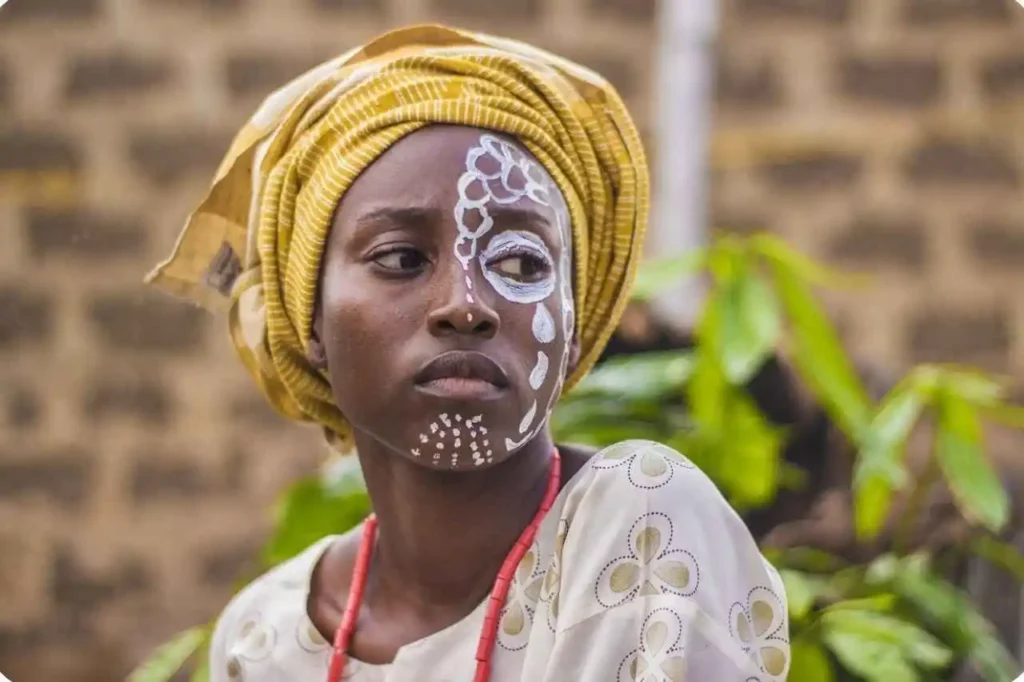
The Andaman and Nicobar Islands are often called a small paradise on Earth, famous not only for their breathtaking natural beauty but also for their rich culture, diversity, and unique dressing styles.
• Indigenous Tribes and Their Unique Dressing
Several indigenous tribes, such as the Great Andamanese, Onge, and Jarwa, still live away from the modern world and preserve their age-old traditions. These tribes are among the oldest communities in the world and prefer to stay close to nature. For their livelihood, they depend on hunting, fishing, and forest resources. Their dressing style is truly distinctive, reflecting their deep bond with nature.
• Cultural Diversity and Traditional Clothing
Alongside the tribes, people from Bengal, Tamil Nadu, Kerala, and North India have also settled in the islands. They live together in harmony and celebrate festivals such as Pongal, Durga Puja, Onam, Eid, Diwali, and Christmas with great enthusiasm.
• Festivals that Bring Communities Together
Each festival becomes a bridge, bringing communities closer to one another. During these celebrations, the variety of traditional dresses on display adds even more charm to the cultural scene of the islands.
• Andaman: A True Paradise of Traditions
The blend of tribal dressing styles with diverse traditional outfits from across India makes the Andaman and Nicobar Islands a true cultural paradise. It is a place where natural beauty meets heritage, fashion, and unity in diversity.
🪢 Traditional Dress of Andaman and Nicobar Islands
1. Andaman Tribes – Living Close to Nature
The tribes of the Andaman Islands live amidst nature, surrounded by forests, rivers, and trees. Their lifestyle keeps them close to the environment but far away from the modern world. Because of this, they do not have access to a wide variety of resources, food, or clothing.
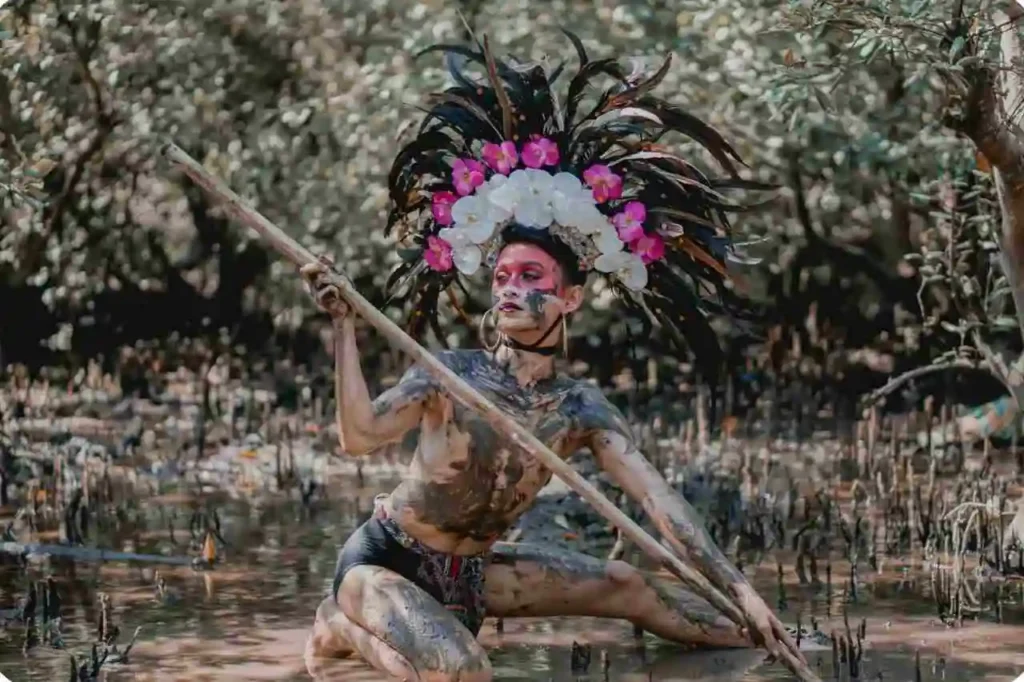
Traditionally, their clothes were made from natural materials such as leaves and grass. Women usually wore a skirt-like outfit made of leaves or grass around the waist, while men used a simple loincloth (similar to a langot).
• Tribal Beauty and Decoration
In today’s modern society, attraction is often associated with stylish clothes, perfumes, cosmetics, footwear, and lifestyle upgrades. But among the Andaman tribes, men decorated their bodies with red ochre, clay, and ash. Some believe this was for beauty and attraction, while others suggest it also protected them from mosquitoes, insects, and the harsh sun. Cultural and ritual reasons may also have played an important role.
Just like modern women use lipstick, eyeliner, or foundation, tribal women beautified themselves with natural colors such as clay, ash, and red ochre. Jewelry was also common, often made from shells, bones, seeds, and wood. These ornaments were worn during special occasions such as festivals, dances, and marriages—similar to how we use earrings, bangles, and other jewelry today. Some also wore jewelry to represent protection, belief, social status, or power.
• Share Your Opinion
👉 What do you think? Why did men use clay and ash to paint their bodies, and why did women wear jewelry made from shells, bones, and wood? Share your opinion in the comments with facts—if it’s correct, I will add your fact to this content.
2. Nicobar Tribes – A More Developed Dress Culture
• Traditional Dressing Style of Nicobar Tribes
Compared to the Andaman tribes, the Nicobarese tribes have a more developed style of dressing.
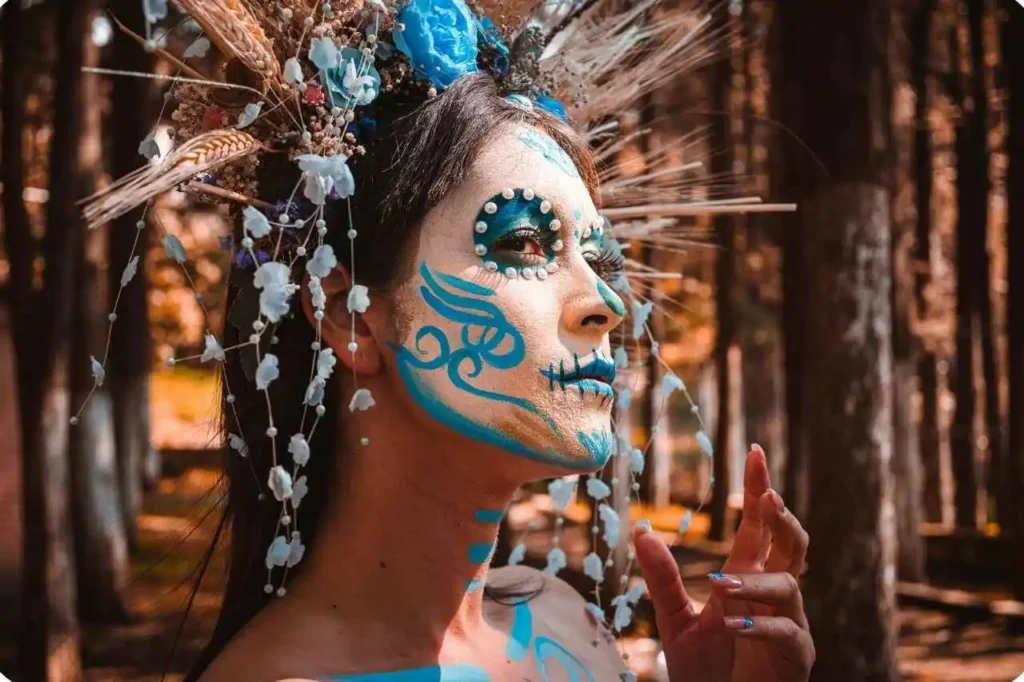
- Men wear a bright white cloth called Thuri, which looks similar to a dhoti. Nowadays, this is also available in multiple colors.
- Women wear a skirt-like garment called Tuha, usually in bright shades. They also wear blouses and long skirts on different occasions.
• Ossuary Feast (Pig Festival) – A Celebration of Culture
During the Ossuary Feast (Pig Festival), the entire community comes alive with celebration. Children, youth, and elders dress in colorful clothes and dance with joy. The atmosphere is filled with the fragrance of jungle flowers like rose and champa, often worn as garlands on the head and neck.
• Cultural Accessories and Ornaments
Coconut-based waistbands are an important part of their cultural identity. Shell bangles, made from sea conch, are worn on the hands and legs. These bangles produce a rhythmic sound while dancing, adding to the festive spirit.
• A Festival Full of Vibrance
Music, dance, colors, and fragrance together make the festival vibrant and full of energy. The traditional dress and ornaments of the Nicobarese not only represent their culture but also showcase their love for celebration and community.
3.Shompens of Nicobar
• Simple Lifestyle of the Shompens
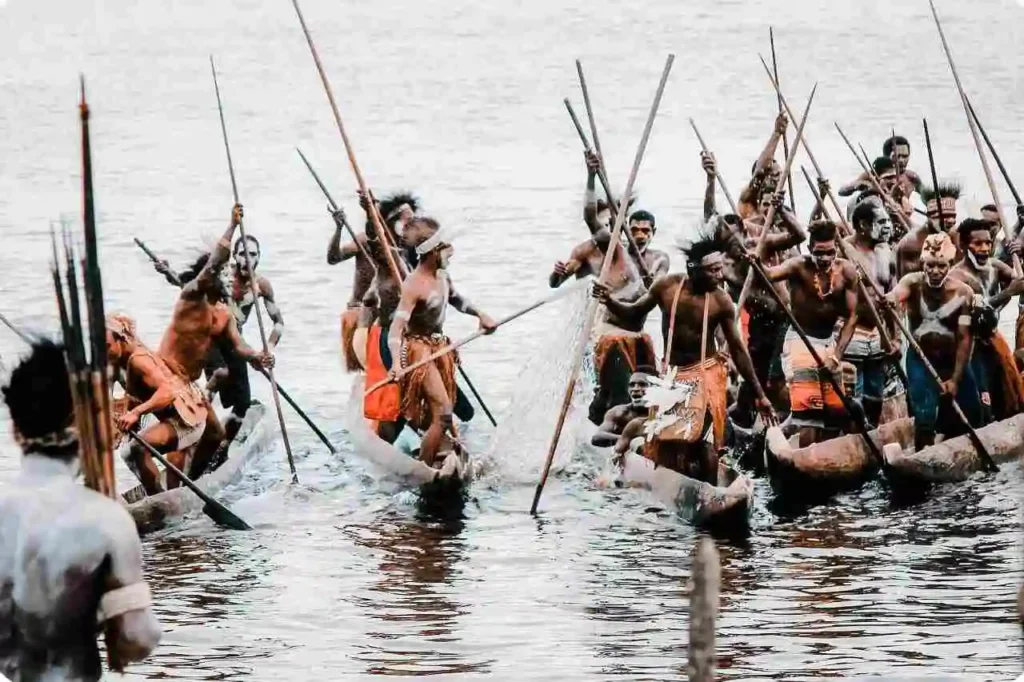
The Shompens, another community in Nicobar, live a very simple life. Their clothes are mostly made from leaves and grass, and they use natural colors to paint their bodies. For jewelry, they prefer bones, wood, and shells.
• Living in the Present
They live completely in the present moment — with no worries about the future, no stress from society, and no unnecessary pressure.
• Would You Like to Live This Life?
👉 Would you like to live such a life?
• Pros and Cons
- Pros: Peaceful, stress-free, close to nature.
- Cons: Limited resources, lack of modern facilities, health and safety challenges.
• Share Your Opinion
What’s your opinion? Share it in the comments — your perspective matters!
👤 Andaman Traditional Dress – Tribes and Their Outfits
1. Jarawa Community: The Isolated Tribe of Middle and North Andaman
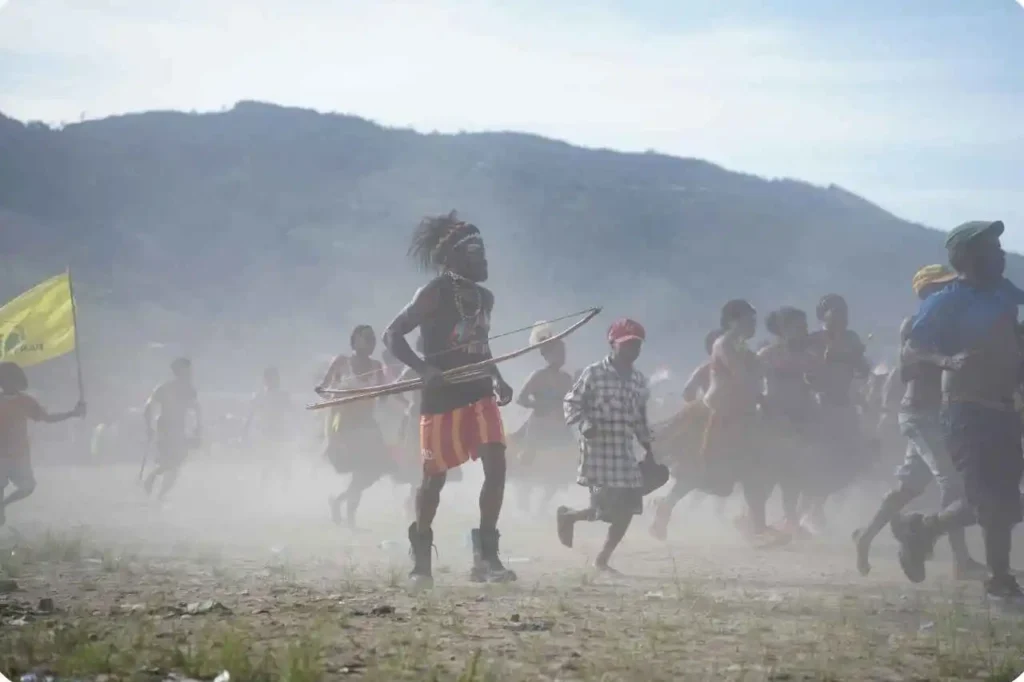
The Jarawa community is a tribal group that stays away from outsiders, with a population of around 400-500 people. They live deep in the dense forests of Middle and North Andaman, where moving around is extremely difficult for both humans and animals.
The Jarawa speak their unique Jarawa language, which they can speak but cannot write. It is very difficult for outsiders to understand. They communicate with each other in this language and hunt for food such as fish, pigs, deer, honey, fruits, and other forest resources, living with their families in the forest.
• Changes in Lifestyle
According to Nu Strait Mam, the Jarawa tribe has now learned some farming techniques. Another tribe, Nu Strait Mam, now lives a normal life like us and resides in government-provided houses. Some people claim that the Jarawa community eats humans, but according to Pronob Kumar Sircar, author of The Jarawa: The Struggle Continues, this is not true. Their behavior has changed significantly, and now the community is largely friendly.
Most Jarawa people live within their own groups and marry within the community. They worship nature and strongly dislike cutting trees or plants. They care deeply for the forests, and on several occasions, they have even attacked people who cut trees for construction purposes.
• Modern Healthcare and Government Protection
Through government health programs, the Jarawa now receive modern medical care without disturbing their traditional lifestyle. Previously, tourists came for “human safaris”, which negatively impacted their way of life. These safaris have now been banned to protect the Jarawa. The government continues to take several actions to protect and preserve their culture and way of life.
Link: Andaman full guide
2. Shompen Tribe of Great Nicobar Island and the Controversial ₹80,000 Crore Project
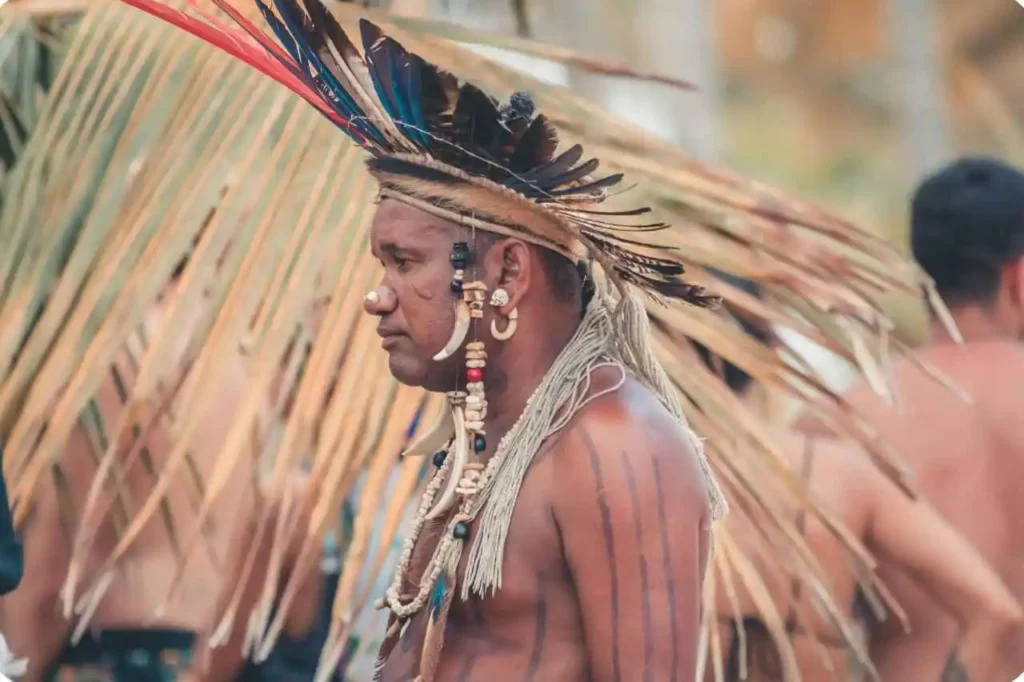
• Peaceful Life of the Shompens
Far away from the chaos of modern life, the Shompen tribe peacefully lives in the dense forests of Great Nicobar Island. With a small population of just 250–400 members, this ancient tribe directly depends on nature for survival. Their food mainly includes fishing, hunting wild animals, gathering forest fruits, plants, and honey.
The Shompens speak their own unique language, which is only understood within their community. However, their population is slowly declining due to environmental changes and various diseases. To protect them, the Indian government provides special protection, and outsiders can only visit the area with government permission. This ensures that their lives are not disturbed by the outside world.
For years, the Shompens have lived happily and peacefully in their forests. However, their future is now under threat because of a mega project.
• The ₹80,000 Crore Great Nicobar Project
The Government of India has proposed a massive project worth ₹80,000 crore on Great Nicobar Island. According to experts, it may take up to 30 years to fully complete. Once finished, the island is expected to look like a modern city, similar to Hong Kong.
• Project Includes:
- An International Airport
- A Deep Water/Sea Port
- Industrial Zones & Offices
- Modern Infrastructure Development
This project could bring 3–4 lakh new residents to the island, boost tourism, and significantly strengthen the local economy.
Another major reason behind this project is its strategic location. Great Nicobar Island is just 70 km away from the Malacca Strait, one of the world’s busiest shipping routes. Nearly 65% of China’s oil supply passes through this region. This gives India a strong geopolitical advantage to influence or block supply chains if necessary.
• Environmental Concerns and the Shompen Tribe’s Future
While the project promises economic growth and strategic benefits, it also has a serious environmental impact. Experts say the project will require around 16,600 hectares of land, including the clearing of more than 13,000 hectares of forest.
Some reports suggest that as many as 1 crore trees may be cut down, while other estimates put the number around 30 lakh trees. Either way, this large-scale deforestation could destroy the natural habitat of the Shompen tribe and force them to leave their ancestral land.
If this happens, the tribe could face displacement and may even move closer to extinction in the future.
• The Big Question: Development or Conservation?
The Great Nicobar Project is being hailed as a landmark step towards India’s economic and strategic growth. However, it also puts the ecology of the island and the existence of the Shompen tribe at risk.
So, the big question remains:
👉 Should Great Nicobar be turned into a Hong Kong-like city, or should we protect the Shompens and their pristine environment?
Share your views in the comments below.
3. The Onges Tribe of Andaman: An Ancient Indigenous Community
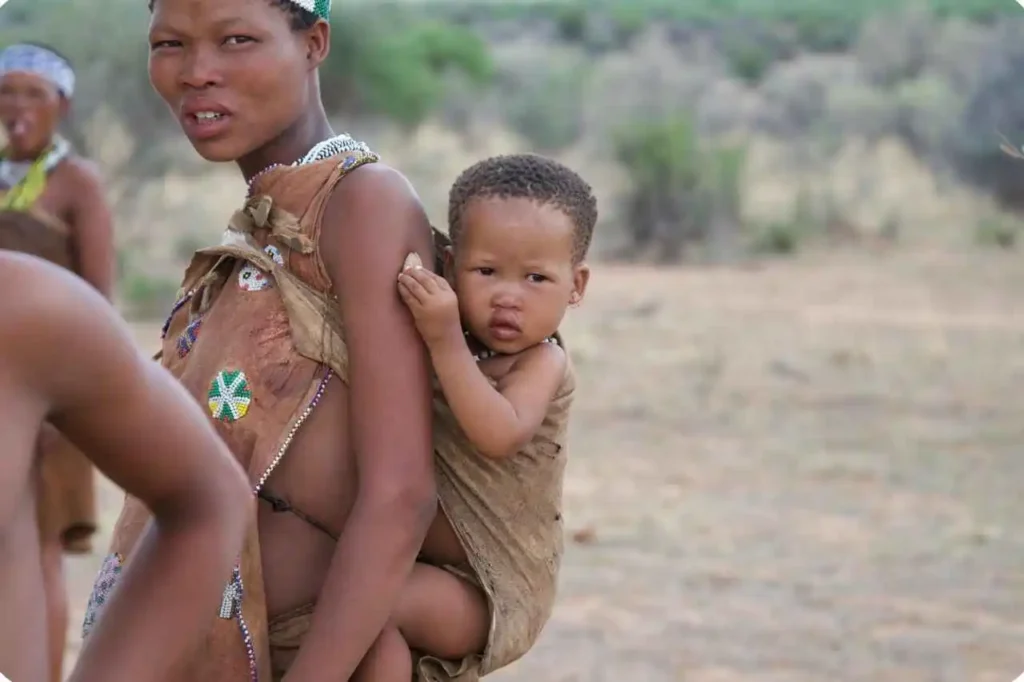
The Andaman Islands are not only famous for their natural beauty but also for being home to some of the world’s oldest indigenous tribes. Among them, the Onges are considered one of the most ancient and original tribes of the Andaman Islands.
Unfortunately, their population has been declining rapidly. While there were nearly 1,900 Onges in the past, today only about 120–130 members remain.
• Reasons for Declining Onges Population
Their population has declined rapidly due to several reasons, such as:
- Diseases brought by outsiders
- Alcohol addiction
- Encroachment on their traditional land
• Government Protection for the Onges
To protect this endangered tribe, the Indian government has taken several measures, such as:
- Providing special food supplies
- Launching welfare schemes for their survival
- Restricting outside contact so they can live peacefully
• Onges Lifestyle and Culture
- The Onges speak their own indigenous language, though the younger generation is also learning Hindi and English.
- They depend directly on nature for food and livelihood.
- Marriages usually take place within their own community.
- They prefer living a simple and peaceful life, away from the distractions of the outside world.
• Why Protecting the Onges Matters
The Onges tribe represents a living link to human history and culture. Protecting their lifestyle, language, and traditions is essential not just for them, but also for preserving the unique heritage of the Andaman Islands.
👗 Modern Clothing of Andaman and Nicobar
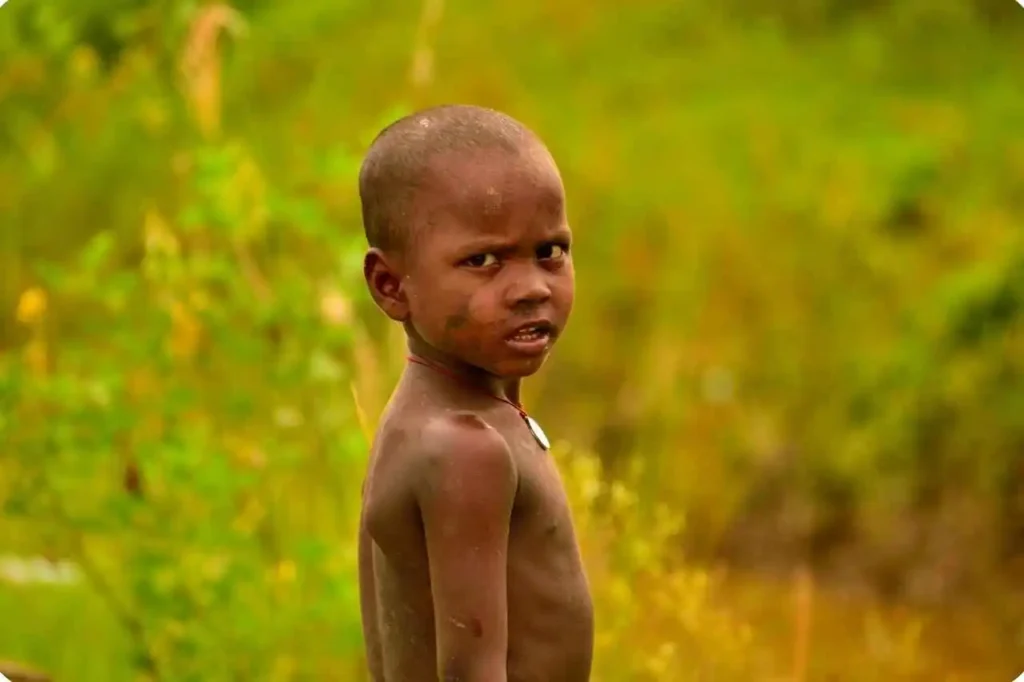
• Life in Andaman: A Blend of Nature and Modernity
The Andaman Islands are surrounded by pristine beaches, lush forests, and stunning natural beauty. The lifestyle of its people reflects this diversity.
In Port Blair, the largest city, residents enjoy modern amenities such as malls, cafes, restaurants, internet access, and efficient transport facilities.
In contrast, life on smaller islands and villages is simpler, closer to nature, yet equally happy.
• How People in Andaman Earn Their Living
The local economy in Andaman mainly depends on:
- Government jobs
- Tourism (the largest contributor)
- Fishing
- Small-scale farming
- Coconut products and handicrafts
The residents are known for their politeness and take good care of tourists, ensuring they feel welcomed.
• Andaman Food and Cuisine
The diet of Andaman locals mainly includes:
- Seafood: fish, prawns, crabs
- Staples: rice
- Fruits: papaya, pineapple, banana, coconut
Due to a diverse population from different states, residents also enjoy Bengali, Tamil, Bihari, Punjabi, and Nicobari cuisines, creating a unique culinary blend.
• Clothing and Fashion in Andaman
Due to the tropical climate (23–31°C), people prefer light and comfortable clothing:
- Men: T-shirts, casual shirts, linen pants
- Women: Cotton kurtis, salwar kameez, jeans tops, maxi dresses, frocks
- Tourists: Western-style beachwear such as shorts, tank tops, hats, sunglasses, flip-flops
During weddings and festivals, locals dress in sarees, salwar kameez, kurta-pajama, and dhoti, dancing and celebrating with great enthusiasm.
• Community Spirit in Andaman
The Andaman Islands are not just about nature—they are about community and togetherness. Residents live in harmony, celebrate festivals together, and support each other in times of joy and sorrow, creating a vibrant and inclusive culture.
👚 Dresses to Wear in Andaman for Women

• Beach-Friendly Outfits
On Andaman beaches, you can spot tourists wearing many different types of outfits. If you’re comfortable, you can wear a bikini, monokini, or tankini. For casual beachwear, options like a crop top with high-waist shorts, a flowy maxi dress, a sleeveless sundress, or a cotton jumpsuit/romper are perfect and comfortable.
These outfits let you enjoy the beach to the fullest. With the endless stretch of blue water in the background, pictures taken in these outfits look so beautiful that you can share them on any social media platform without any filter or editing.
🩳 Dresses to Wear in Andaman for Men
• Casual Beachwear
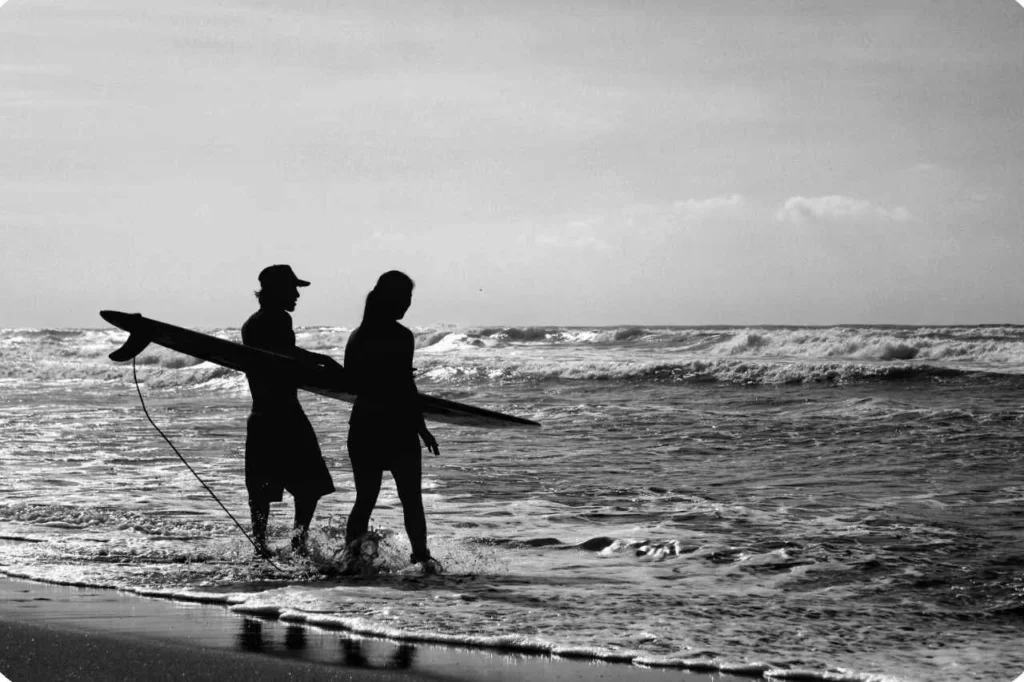
Most of the time, Andaman is hot and humid, so light and breathable clothing is the best choice. You can wear t-shirts, half-sleeve shirts, polo t-shirts, linen pants, trousers, cargo shorts, slim-fit pants, sunglasses, a hat or cap, and a waterproof watch.
Cotton fabrics are even better, as they help you stay cool and comfortable, allowing you to fully enjoy the beaches of Andaman.
❓ Frequently Asked Questions (FAQ) about Dresses in Andaman and Nicobar Islands
Q1. What is the traditional dress of Andaman and Nicobar Islands?
Ans: The traditional dress mainly depends on tribal communities like Jarwa, Nicobarese, and Onges, who use natural materials such as leaves, coconut fibers, and bark for clothing.
Q2. What should tourists wear in Andaman?
Ans: Light cotton clothes, shorts, t-shirts, swimsuits, and flip-flops are best for beaches. Comfortable and breathable clothing works well due to the humid climate.
Q3. Is there any dress code in Andaman and Nicobar Islands?
Ans: There is no strict dress code for tourists, but modest clothing is recommended while visiting local communities, religious sites, and government areas.
Q4. Are costumes of Andaman tribes still worn today?
Ans: Yes, many tribal groups still follow their traditional attire, though some communities have adopted modern clothing.
Q5. What dresses to wear in Andaman for women travelers?
Ans: Light cotton dresses, beachwear, maxi dresses, and comfortable ethnic wear for festivals or events are good options.
Q6. Can men wear casual clothes in Andaman?
Ans: Yes, men can wear shorts, t-shirts, linen shirts, and beachwear. Comfort is more important due to the tropical climate.
• conclusion
The dressing style of Andaman and Nicobar is truly a perfect example of unity in diversity. From the simple leaf skirts of the tribes to the Thuri and Tuha of the Nicobarese, everything can be seen here. These clothes and traditions still keep their identity, beauty, and heritage alive.