
🏕️ Overview of the Manali to Spiti Valley Journey
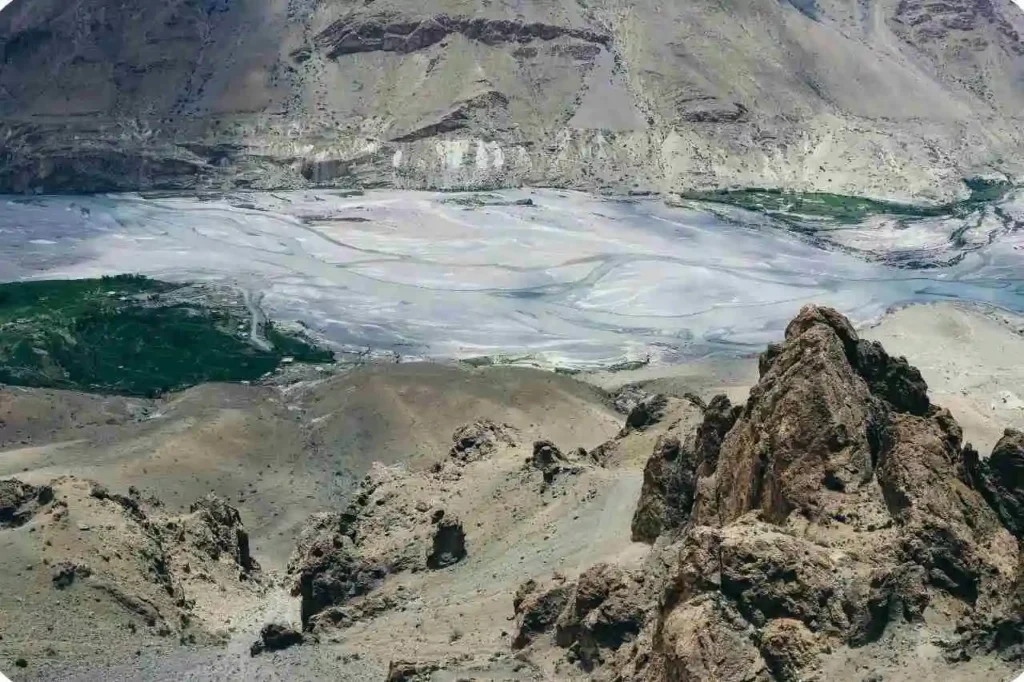
Manali is considered the most popular entry point to Spiti Valley because it offers one of the most scenic and adventurous routes to reach the region. While crossing Rohtang Pass and Kunzum Pass, travelers witness vast mountain landscapes, roads running alongside fast-flowing rivers, and constantly changing road conditions. On this route, the journey itself becomes as memorable as the destination.
● Why Choose the Manali to Spiti Route?
This route is ideal for travelers who believe that travel is not just about reaching a place, but about experiencing the journey. Every stretch of the road offers something new, making it one of the most exciting Himalayan road trips.
For Solo Travelers
For solo travelers, the Manali–Spiti route is a perfect choice if you enjoy a bit of challenge and love exploring offbeat destinations. The changing terrain and raw landscapes add a sense of adventure to the trip.
For Bike Riders
For bike riders, the Manali to Spiti Valley road feels like a dream ride. Every turn opens up breathtaking views, making it one of the most iconic biking routes in India.
For Adventure Lovers
Adventure enthusiasts can experience the real thrill of river crossings, rough roads, and high mountain passes along this route, offering an authentic Himalayan adventure.
For Couples
Couples who enjoy long drives surrounded by nature and peaceful moments will find this journey truly special. The serene environment and scenic beauty make it perfect for creating unforgettable memories.
For Photographers
For photographers, this route is nothing less than a paradise. From dramatic mountains and wide open landscapes to glimpses of authentic Himalayan life, there are endless photo opportunities.
● What This Guide Covers
In this guide, you will find simple and practical information about the Manali to Spiti Valley route, including:
- Best time to travel
- Road conditions
- Permit requirements
- Practical travel tips based on local experiences
This information will help you plan your Spiti Valley trip smoothly and stress-free, making your journey safe and enjoyable.
❄️ Manali to Spiti Valley Distance & Travel Time
The total distance from Manali to Spiti Valley usually ranges between 180 km and 250 km, depending on how deep into Spiti Valley you plan to travel. The roads are rough and uneven, which is why—even though the distance may seem short—the journey takes longer and the overall travel speed remains slow.
● Distance to Major Locations
- Manali to Kaza
Approx. 200 km | Travel time: 10–12 hours
(Most travelers prefer to cover this journey in 1–2 days) - Manali to Key Monastery
Approx. 215 km | Travel time: 11–13 hours - Manali to Tabo
Approx. 250 km | Travel time: 12–14 hours
● Factors That Affect Travel Time
- Road Conditions
Some sections have fairly good roads, while others are completely broken. Unpaved stretches and river crossings significantly slow down the journey. - Weather Conditions
Rain, snowfall, or heavy fog can cause delays and reduce visibility. - Permits and Checkpoints
Time may be required for Rohtang Pass permits and security checks at various checkpoints along the route. - Season
Roads are generally open from June to September, but delays are common in July and August due to monsoon rains.
● Travel Tip for First-Time Visitors
If you are traveling from Manali to Spiti Valley for the first time, avoid rushing to complete the journey in a single day. Planning the trip over two days makes the journey safer, more comfortable, and far more enjoyable.
Link: Himachal full Guide
🛣️ Best Route from Manali to Spiti Valley (Road Map Explanation)
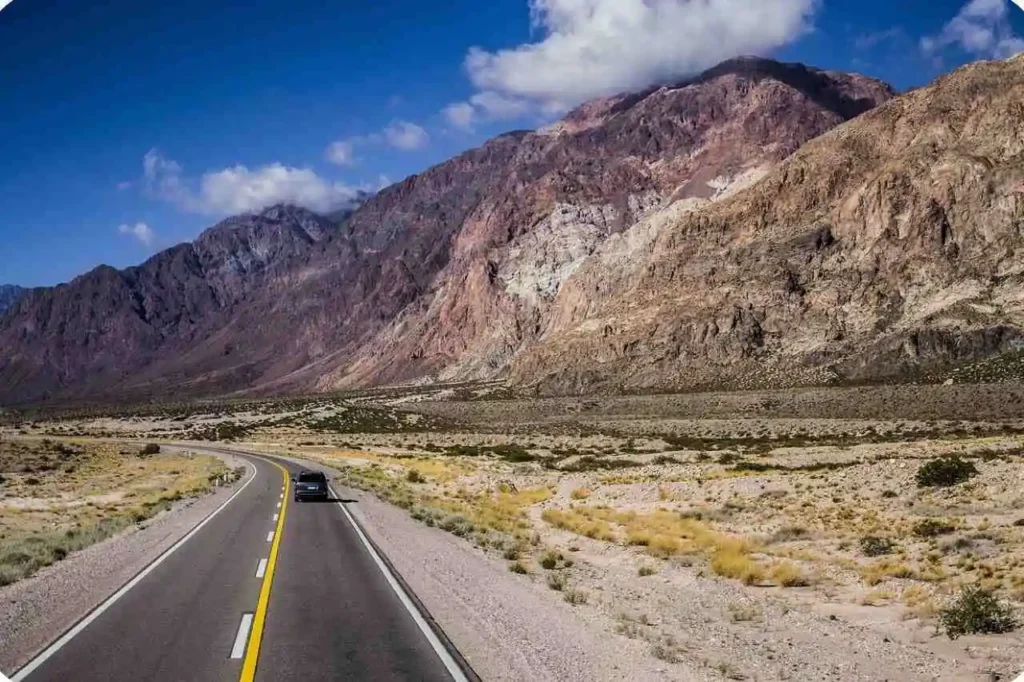
Best Route: Manali → Rohtang Pass → Kunzum Pass → Kaza
Total Distance: Approx. 200–220 km
Traveling this route over 2 days is the best option. It is safer and puts less stress on your body.
Although it is possible to complete the journey in 1 day, it can be extremely tiring and is not recommended for first-time travelers.
● Manali to Rohtang Pass
Distance: Approx. 51 km
Altitude
- Manali: 2,050 meters
- Rohtang Pass: 3,978 meters
Road Conditions
The road is fairly good when you leave Manali. As you approach Rohtang Pass, it becomes broken, muddy, and slippery. Due to heavy tourist traffic, traffic jams are very common on this stretch.
What to See
During June–July, you will see massive walls of snow on both sides of the road. While driving, it often feels like you are passing through clouds.
The Beas River originates in this region.
Driving Experience
- Difficulty Level: Medium
- Slush, traffic, and tourist crowds require patience and a calm mindset.
● Rohtang Pass to Gramphu
Distance: Approx. 20 km
Altitude
Gradually descends to around 3,200 meters
Road Conditions
After crossing Rohtang Pass, steep downhill driving begins. The road is mostly unpaved and uneven. Mud mixed with water makes it extremely slippery.
Common Problems
- Fog can reduce visibility
- Narrow roads with sharp turns
- First-time drivers may feel nervous, which is completely normal
● Gramphu – Chhatru – Batal
Distance: Approx. 70 km
Altitude
- Chhatru: 3,300 meters
- Batal: 3,900 meters
Road Conditions
From Gramphu onwards, the real off-road adventure begins. You will encounter rocks, dirt tracks, and small water crossings (nallahs). Driving must be slow and controlled.
Problems on This Section
- 3–4 water crossings; water flow increases after noon
- Occasional falling rocks from the mountains
- Constant alertness is required
What You’ll See
- The Chandra River flowing alongside the road
- Completely barren mountain landscapes
- No mobile network and no proper hotels
- This is where you truly feel that Spiti Valley has begun
● Batal to Kunzum Pass
Distance: Approx. 19 km
Altitude
- Kunzum Pass: 4,551 meters
Road Conditions
The road is narrow and continuously uphill. As you gain altitude, breathing may feel slightly difficult.
What to See
At the top, you will find a small Kunzum Devi Temple, visited by most travelers. Snow-covered mountains surround the area, and the silence is so deep that only the sound of wind can be heard.
● Kunzum Pass to Losar to Kaza
Distance: Approx. 60 km
Altitude
- Losar: Approx. 4,080 meters
- Kaza: Approx. 3,650 meters
Road Conditions
- Roads improve after Kunzum Pass
- Still rough in some sections, but completely drivable
What You’ll See
- The vast Spiti Valley opening up
- Brown mountains under a deep blue sky
- The first proper villages of Spiti
- A gradual and scenic drive into Kaza
● Vehicle-Wise Reality Check
Small Cars (Alto, Swift, Sedans)
- Possible only with an experienced driver
- High risk of underbody damage
- Difficult water crossings
- Not recommended if:
- You are a first-time visitor
- The car is fully loaded
SUVs (Scorpio, Thar, Creta, Duster)
- Best option for this route
- High ground clearance
- Easier water crossings
- If you have a choice, always go with an SUV
Bikes
- A dream route for bikers
- Very cold weather conditions
- High risk of slipping during water crossings
- Long stretches of continuous riding
- Recommended only for riders with strong mountain riding experience
● Common Problems on This Route (Reality Check)
Water Crossings:
Water levels rise in the afternoon due to melting snow
Landslides:
Occasional falling rocks between Gramphu and Batal
Breathing Issues:
Near Kunzum Pass, headaches and nausea are common
No Network:
Mobile signals mostly stop after Manali
No Immediate Help:
If your vehicle breaks down, you must manage on your own
● Simple but Important Tips
- Start from Manali between 5–6 AM
- Get your fuel tank fully filled in Manali
- Cross water streams slowly and steadily
- Keep one extra buffer day in your plan
- Always check the weather forecast before starting
🚌How to Reach Spiti Valley from Manali by Bus
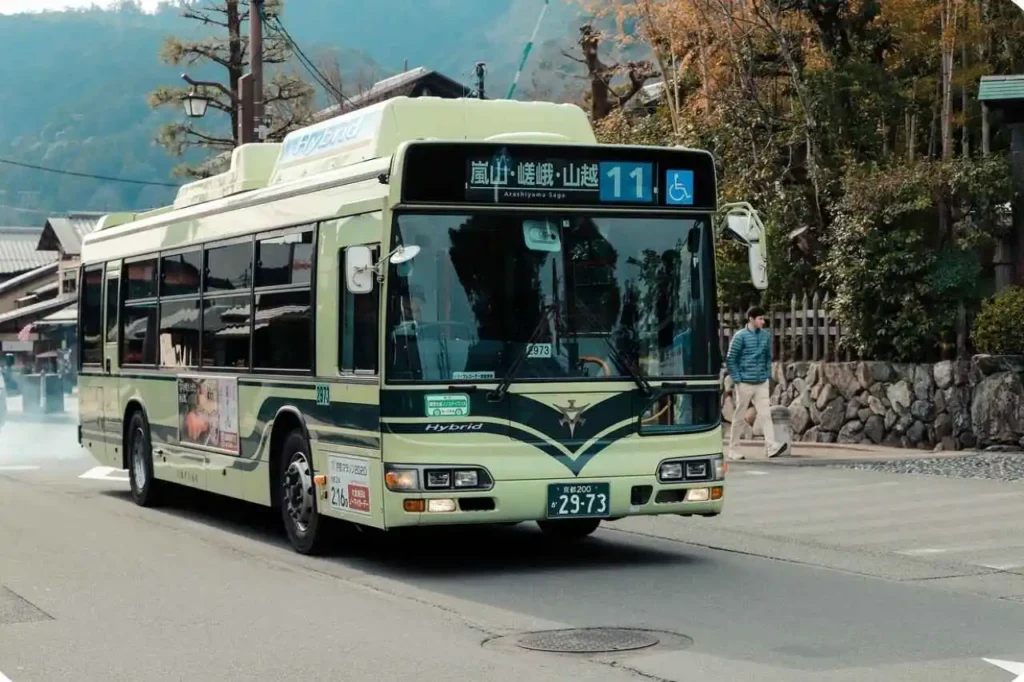
Traveling to Spiti Valley from Manali by bus is possible, but it requires patience and proper planning.
The route passes through high mountain passes, rough roads, and remote terrain. Weather conditions play a major role in determining whether buses operate on a given day.
● Bus Options from Manali to Spiti Valley
1. HRTC Bus (Government Bus) – Best Option
The HRTC (Himachal Road Transport Corporation) bus is the safest and most reliable way to travel from Manali to Spiti Valley.
Route:
Manali → Rohtang Pass → Kunzum Pass → Kaza
Availability
- Winter (November–April): Road remains closed due to heavy snowfall
- Summer (Mid-June to Mid-October):
Buses run daily, subject to weather and road conditions
The bus moves slowly, but the drivers are highly experienced with mountain terrain. Comfort is basic, but in high-altitude regions, safety is always more important than speed.
Private Bus / Tempo Traveller
- Mostly available from July to September
- Not operated daily; runs only when enough passengers are available
- Seats are slightly more comfortable than ordinary buses
Some private vehicles tend to drive at higher speeds.
If you are visiting Spiti Valley for the first time, the HRTC bus is strongly recommended for safety and reliability.
● Bus Boarding Point in Manali
Boarding Locations
- Manali Bus Stand (Main Road): Most reliable and confirmed boarding point
- Mall Road: Pickup may happen occasionally, but always confirm in advance
● Manali to Spiti Bus Timing
- Reporting Time: 5:30 AM – 6:30 AM
- Departure Time: 7:00 AM – 7:30 AM
The bus does not wait for late passengers. Missing the bus usually means waiting until the next day.
There are no afternoon or night buses, as Kunzum Pass generally closes by evening due to weather conditions.
● Manali to Spiti Bus Fare
HRTC Bus Fare Details
Ordinary HRTC Bus
- Fare: ₹250 – ₹350
- Budget-friendly option
Semi-Deluxe HRTC Bus
- Fare: ₹400 – ₹600
- Slightly more expensive but more comfortable
● Where to Buy Bus Tickets?
- Manali Bus Stand Counter: Best option; buy tickets 1 day in advance
- HRTC Official Website: Sometimes available, but not always reliable
● Ordinary vs Semi-Deluxe Bus – Seat Comparison
Ordinary Bus
- Basic, hard seats
- Mostly local passengers
- Standing passengers may be allowed
- Windows may be damaged or unclear
- Suitable for budget travelers
Semi-Deluxe Bus (Recommended)
- Softer and more comfortable seats
- Fixed seating for all passengers
- Less crowd
- Clear windows with better mountain views
If your budget allows, choose the semi-deluxe bus. It reduces fatigue and makes the long journey more comfortable.
● Stops and Facilities on the Way
- Short halts near Chhatru or Batal
- Food: Simple meals like Maggi, dal-chawal, and tea
- Toilets: Very basic facilities available
➜ Carry your own tissues and hand sanitizer.
● Is the Manali to Spiti Bus Safe for First-Time Travelers?
Yes, it is safe if you plan smartly:
- Choose the morning bus
- Prefer the semi-deluxe option
- Carry motion sickness medicine
- Travel with light luggage
- Carry warm clothes (temperatures drop even in summer)
● Common Challenges Travelers Face
- The journey can be physically demanding
- Back pain is common due to long hours of sitting
- During monsoon season, rain may cause delays and discomfort
The Manali to Spiti Valley bus journey is challenging but incredibly rewarding.
With proper planning, patience, and the right expectations, it becomes a safe and unforgettable mountain experience.
Go prepared, stay patient, and enjoy the beauty of Spiti Valley.
🚕 How to Reach Spiti Valley from Manali by Taxi or Cab

Traveling from Manali to Spiti Valley by taxi or cab is a comfortable and flexible option, especially for travelers who want privacy or plan to explore nearby villages. Unlike buses, taxis allow stops for sightseeing, photography, and rest breaks.
● Taxi Fare from Manali to Spiti Valley
Private Taxi Fare (One Way)
The cost of a private taxi from Manali to Spiti Valley generally ranges between ₹18,000 to ₹30,000 (one way).
The final fare depends on multiple factors:
- Type of vehicle (Innova, Scorpio, Bolero, etc.)
- Travel season (May to October is peak season due to high tourist demand)
- Distance covered beyond Kaza
Visiting villages such as Key, Kibber, Langza, Hikkim, and Komic will increase the total cost.
Shared Taxi Option
For budget travelers, shared taxis are a practical alternative.
- Per person cost: ₹3,500 – ₹5,000
- Vehicles used: Mostly Sumo or Bolero
- Availability: Easily available at Manali Taxi Stand or through local travel agents
- Best suited for: Solo travelers and budget-conscious tourists
During peak season, shared taxi rates may be slightly higher. In the off-season, limited bargaining may be possible.
● How to Choose the Best Vehicle for Spiti Valley
Spiti Valley roads are extremely different from regular hill roads. The terrain is rocky, uneven, and located at very high altitudes. Selecting the right vehicle is essential for a safe and hassle-free journey.
Best SUV Options for Spiti Valley
Experienced travelers and local drivers usually prefer the following vehicles:
- Toyota Innova Crysta (AWD variant is ideal)
- Mahindra Scorpio (known for strong suspension)
- Bolero (simple, powerful, and highly reliable)
- Force Traveller (best for group travel)
Practical Points for SUV Selection
Before finalizing your taxi, make sure the vehicle has:
- High ground clearance
- Diesel engine (more reliable in cold and high-altitude conditions)
- Tyres in excellent condition
- At least one spare tyre
These factors are extremely important when traveling through remote regions like Spiti Valley.
● Driver Experience – The Most Important Factor
On the Manali to Spiti route, the driver’s experience is often more important than the vehicle itself.
A reliable driver should:
- Have prior experience driving through Rohtang Pass and Kunzum Pass
- Know how to handle snow patches, landslide-prone zones, and water crossings
- Be familiar with local routes, especially around Gramphu
Always prefer a local Himachali driver for a safer, smoother, and more reliable journey to Spiti Valley.
⛰️Manali to Spiti Valley by Bike or Self-Drive
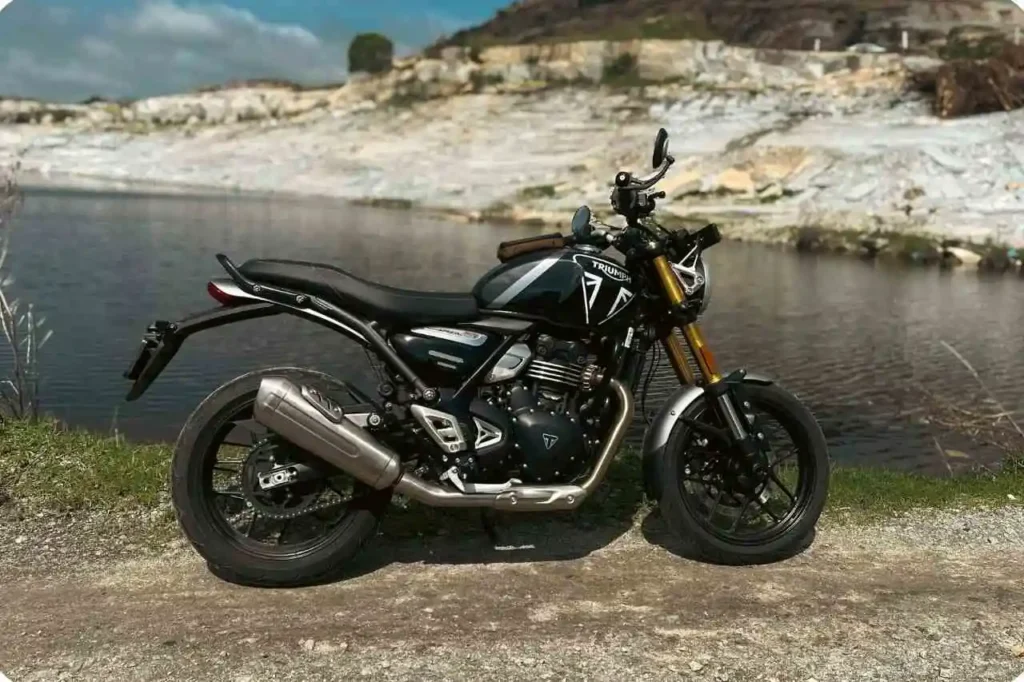
Manali to Spiti Valley: Not a Normal Trip, but a Real Adventure
Traveling from Manali to Spiti Valley is not a regular road trip. It is a true adventure where your mindset, patience, and preparation are tested more than the road itself.
On Instagram reels, the journey may look smooth and effortless, but the ground reality is far more challenging.
If you understand the nature of this route and plan it properly, only then does the trip become safe, enjoyable, and truly memorable.
● Is the Manali to Spiti Bike Trip Safe?
Yes, the Manali to Spiti bike trip can be safe—but only if you are well prepared.
For beginners, this route can be risky and physically demanding.
● Beginners vs Experienced Riders
Beginners (First-Time Mountain Riders)
If you are riding in the mountains for the first time, this route can be extremely challenging.
Common difficulties include:
- Extremely rough roads, especially between Gramphu and Batal
- Slush, water crossings, and loose stones
- Sudden weather changes
Even in June, unexpected snowfall or heavy rain can occur
In such conditions, beginners often panic—and panic is the most dangerous thing in the mountains.
Ground Reality (What Commonly Happens)
- Clutch burnout is very common
- Bikes may stop during water crossings
- Fear leads to wrong braking and poor decision-making
These issues usually occur not because of lack of skill, but due to lack of real mountain riding experience.
Experienced Riders
If you have already ridden on difficult routes such as Ladakh, Zanskar, or similar high-altitude regions, riding from Manali to Spiti is possible.
However, this route is not about speed or power. It requires:
- Strong bike control
- A calm and patient mindset
- Experience handling slopes, loose gravel, and water crossings
Even for experienced riders, the road never becomes easy.
After Rohtang Pass, most sections are broken, rocky, and unpredictable. In many places, you must carefully choose your riding line with very little margin for error.
● Important Realities of the Manali–Spiti Route
- Fuel planning is critical
There is no petrol pump between Manali and Kaza - Mobile network is almost non-existent
- You must be completely self-reliant for safety and decision-making
Simple truth:
For experienced riders, Manali to Spiti is a dream ride.
But overconfidence can be dangerous. Respect the route, ride slowly, and make informed decisions—only then will the journey be safe and memorable.
● Bike & Self-Drive Vehicle Recommendations (Practical Reality)
In Spiti Valley, vehicle strength and reliability matter more than style.
Best Bikes for Spiti Valley
Recommended bikes:
- Royal Enfield Classic / Himalayan – stable and trusted for mountain terrain
- Hero XPulse – lightweight and easy to control on rough roads
- Any well-maintained bike of 200cc or above
More than the brand, the condition of the bike matters:
- Brakes
- Clutch
- Tyres
- Overall engine health
Bikes to Avoid
- Sports bikes (low ground clearance and stiff suspension)
- Bikes with worn-out tyres
- Motorcycles with low ground clearance
This route requires balance and clearance, not speed.
● Self-Drive Cars for Spiti Valley
If you are traveling by car, choose only strong SUVs.
Recommended SUVs
- Scorpio
- Thar
- Fortuner
- Bolero
Vehicles to Avoid Completely
- Sedans
- Hatchbacks
Low ground clearance vehicles can easily get stuck in slush and rocky sections.
Simple rule:
For Spiti Valley, the vehicle should be strong and reliable, not stylish.
The right vehicle reduces half of your travel stress.
● Documents & Permits – Extremely Important
Do not take documentation lightly while traveling from Manali to Spiti Valley.
Checking is strict, and you may not be allowed to proceed without proper papers.
Mandatory Documents (Carry Originals)
- Driving License
- RC (Registration Certificate)
- Insurance
- PUC
- ID proof (Aadhaar Card or Passport)
Photocopies or mobile screenshots may not be accepted. Always carry original documents.
● Rohtang Pass Permit (Compulsory)
- Required for the Manali → Spiti route
- Apply online via the Himachal Tourism official website
- Permit type: Beyond Rohtang Permit
- Daily permits are limited—apply 2–3 days in advance
- Checking is done near Gulaba / Rohtang
Without this permit, entry is not allowed, whether traveling by bike or by car.
● Must-Carry Essentials – Practical Advice
In Spiti Valley, shops and mechanics are not available every few kilometers.
Carry only essentials—but carry the right ones.
Essential Items
- Extra clutch and accelerator cable
(Cable failure is common in the mountains) - Puncture repair kit and air pump
- Basic medicines
(For headache, cold, fever, and AMS/altitude sickness) - Thermal wear and waterproof riding gear
(Weather can change rapidly—sun, cold, rain, sometimes all in one day) - Power bank
(No network, but the phone is needed for maps, camera, and emergencies) - In Spiti Valley, comfort comes later—survival and safety come first.
- Carrying the right essentials reduces stress and makes the journey smoother.
❄️ Best Time to Travel from Manali to Spiti Valley
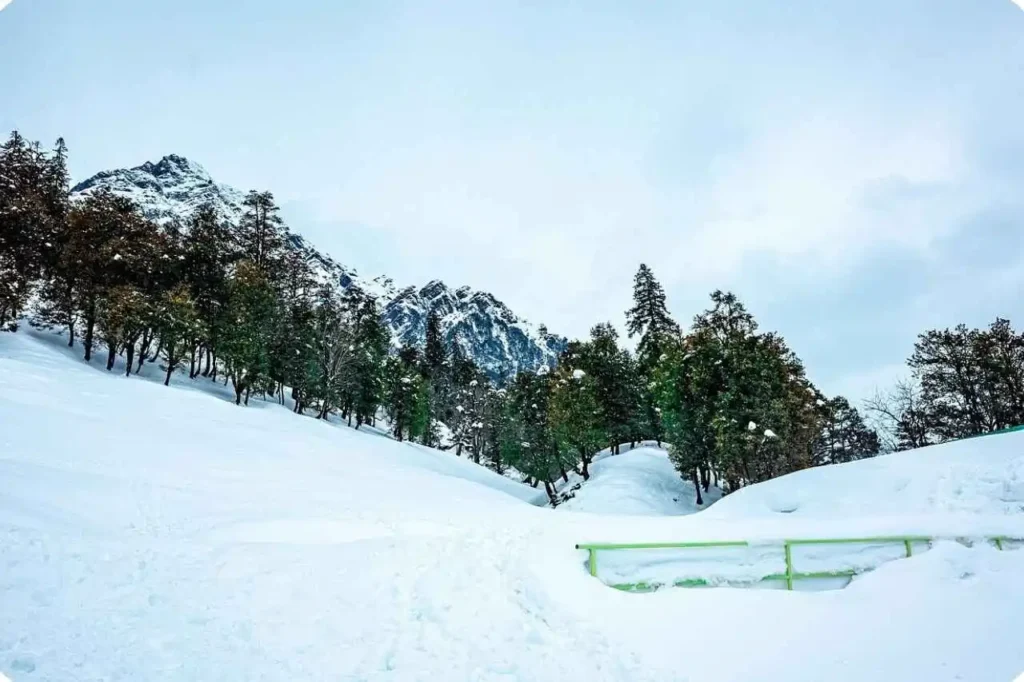
Choosing the right time to travel from Manali to Spiti Valley is extremely important. Due to extreme cold and heavy snowfall, this route remains closed for a large part of the year.
● Best Months (Road Open Season)
The Manali to Spiti Valley road remains closed every year during winter because of harsh weather conditions.
This route usually opens only between mid-June and mid-October.
- Rohtang Pass opens only after complete snow clearance
- Kunzum Pass lies at a very high altitude, and heavy snowfall keeps it closed for several months
The safest travel period is from late June to September. During this time, road conditions are relatively stable, and traveling becomes much easier and safer.
● Ideal Months to Visit Spiti Valley
July to September is considered the best time to visit Spiti Valley for most travelers.
Why July to September Is Ideal
- Roads are mostly in good condition with minimal damage
- Snow has melted, making driving safer
- Buses and taxis operate regularly
- Hotels, homestays, and petrol pumps remain open
● Temperature During the Best Season
- Daytime temperature: 12°C to 20°C
- Night temperature: 3°C to 8°C
The weather remains pleasant during the day, while nights can be cold. Carrying light woolens or a jacket is recommended.
● Important Travel Notes
- During July and August, the Manali side receives some rainfall, which may increase the risk of landslides
- Spiti Valley itself receives very little rainfall because it lies in a rain-shadow region
With proper planning and a little caution, July to September is the best and safest time to travel from Manali to Spiti Valley.
This period offers open roads, stable weather, and better travel facilities, making the journey more comfortable and memorable.
❓ FAQs – How to Reach Spiti Valley from Manali
Is Manali to Spiti Valley road open today?
The Manali to Spiti Valley road is usually open from mid-June to mid-October, depending on weather and snow clearance. Always check local updates before starting your trip.
Can I reach Spiti Valley from Manali in one day?
Yes, you can reach Spiti Valley from Manali in one long day (12–14 hours), but it is tiring. An overnight stop is more comfortable
Is an Inner Line Permit required?
No, Indian tourists do not need an Inner Line Permit to visit Spiti Valley. Foreign nationals do require a permit.
Is Manali to Spiti Valley safe for families?
Yes, it is safe for families if you travel between July and September, use a reliable vehicle, and plan the journey properly