
🏕️ Introduction – Why the Kasol to Kheerganga Journey is Special
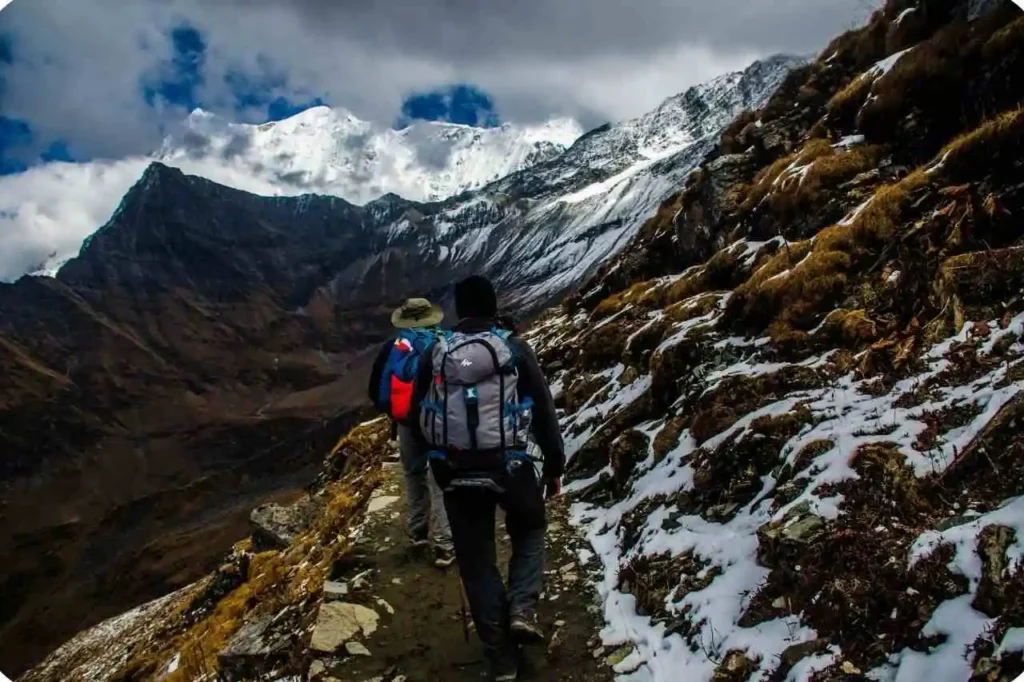
The Kasol to Kheerganga trek is one of the most loved journeys in Parvati Valley. The environment here feels pure and peaceful — tall pine trees, the Parvati River flowing beside the trail, and fresh mountain air everywhere. Kasol is a small backpacker town from where most trekkers begin their journey.
When you finally reach the top of Kheerganga, you are welcomed by a natural hot water spring and a wide open view of the surrounding mountains. Because of this simple yet beautiful experience, this route is considered very special.
● For Beginners (First-Time Trekkers)
This trek is not very difficult. If you walk at a comfortable pace and have basic fitness, you can easily complete it even on your first attempt.
● For Solo Travelers
The route is quite popular, so even if you travel alone, you will meet other trekkers, camps, and small cafés along the way. This makes the journey feel less lonely, and getting help is also easy.
● For Couples
The atmosphere is calm and the views are beautiful. There are options to stay in camps or guesthouses at the top, making the trip a memorable experience for couples.
● The Real Experience of the Parvati Valley
This journey feels special because after a short road trip, you walk through the mountains and reach the summit on your own effort. The trek is not so difficult that it feels scary, and once you reach the top, the natural hot water spring helps relax your body and remove tiredness.
In a short time, you experience a road trip, a gentle mountain trek, and breathtaking scenery together — that is why people call it the true mountain experience of Parvati Valley.
🥾 Kasol to Kheerganga Distance – Complete Breakdown
● Total Distance (Road + Trek)
● Kasol to Barshaini (By Road)
The distance from Kasol to Barshaini is approximately 16–17 km. The route starts from Kasol, passes through Manikaran, and then reaches Barshaini.
The road is mountainous, narrow, and full of curves. Most parts are in good condition, but you may encounter some broken or uneven sections. It is advisable to drive slowly and carefully.
- In normal season with low traffic: 45 minutes to 1 hour
- During peak season (May–June) or traffic/landslide conditions: up to 1.5 hours
● Barshaini to Kheerganga (Trek)
This is where the real adventure begins.
The trek from Barshaini to Kheerganga is about 12 km (one way).
If you return on foot, the total trekking distance becomes 24 km.
- Barshaini altitude: ~2,200 meters above sea level
- Kheerganga altitude: ~2,960 meters above sea level
This means you climb about 700–750 meters during the trek. Feeling out of breath at times is normal because the trail is uphill in the mountains.
● Total Distance from Kasol to Kheerganga
If you calculate the complete journey:
- Kasol to Barshaini (road): 16–17 km
- Barshaini to Kheerganga (trek): 12 km
Total one-way distance: approximately 28–29 km
If you travel from Kasol to Kheerganga and return to Kasol:
Total round-trip distance: approximately 55–58 km
● How Long Does the Trek Take?
The duration depends on your walking speed:
- Regular trekkers: 3.5–4 hours
- Beginners (normal pace with short breaks): 4–4.5 hours
- Slow pace with photos and frequent rests: up to 6 hours
Most people usually reach in about 5 hours. Although some say it is a 3-hour trek, that is generally not realistic for beginners. In the mountains, your body naturally slows down.
● How Is the Trek Route?
The trail is not a simple flat road; it is a mixed terrain:
- Large sections pass through forests with tall pine trees
- Rocky areas with loose stones
- Crossing 2–3 small water streams
- A beautiful waterfall view near Rudranag
- The last 1–1.5 km is steeper and more tiring
● When Can the Trail Be Slippery?
- Monsoon (July–September): Mud and stones become slippery
- Snow season (December–February): Upper section becomes slippery due to snow
🌲 How to Reach Kheerganga from Kasol – Simple Guide
First, you need to reach Barshaini from Kasol because the trek starts from there.
Road Route: Kasol → Manikaran → Barshaini
The road is narrow and winding but offers beautiful views.
● By Bus
- Direct buses from Kasol to Barshaini are rare
- Buses are more easily available from Manikaran
- Usually 1–2 buses per day, mostly in the morning
- Fare: approximately ₹50–₹100
Bus timings in the mountains are not always fixed, so confirm locally after arrival.
● Taxi Option
A taxi is a more comfortable choice, especially for groups.
- Shared taxi: ₹150–₹250 per person (season dependent)
- Private taxi (one way): ₹800–₹1,500 in normal season
- Peak season: up to ₹1,800
If you are 3–4 people, a private taxi becomes economical per person.
● Travel Time by Season
● March–June (Peak Season)
- Road: 1–1.5 hours
- Trek: Around 5 hours
More tourists and possible traffic.
● July–September (Monsoon)
- Road: 1.5–2 hours
- Trek: 5–6 hours
Trail becomes slippery, so walking speed decreases.
● October–November (Best Time)
- Road: Around 1 hour
- Trek: 4.5–5 hours
Stable and pleasant weather.
● December–February (Snow Season)
- Road: Around 1 hour
- Trek: 6 hours or more
Snow makes trekking slower and more challenging.
🚶♀️ Which Route to Take from Barshaini to Kheerganga?
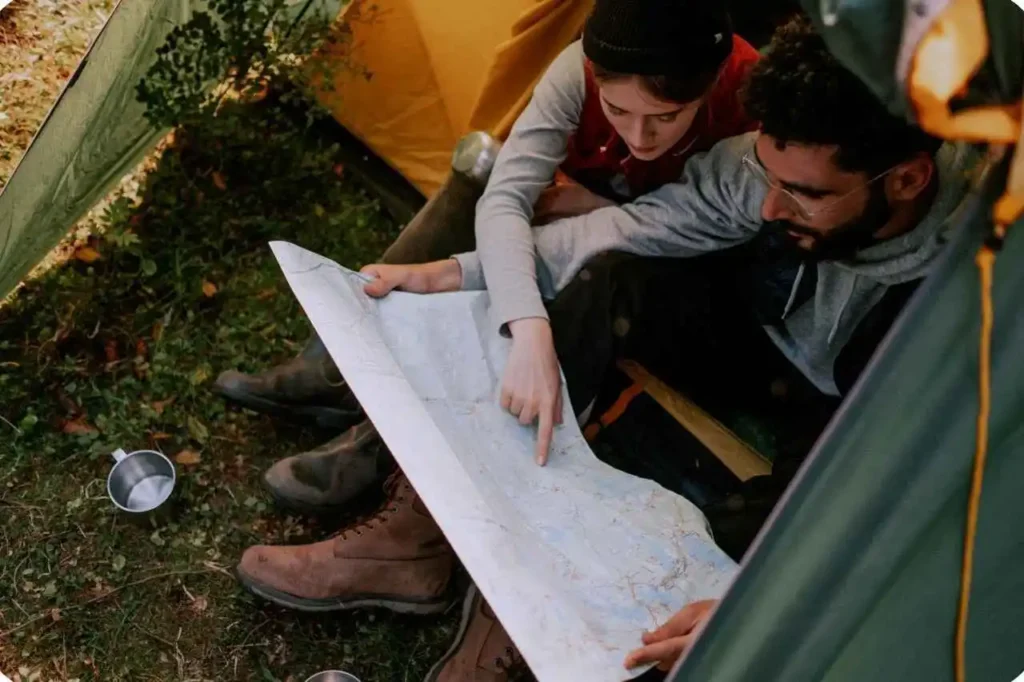
There are three main routes from Barshaini. All reach the same destination but offer different experiences.
● Nakthan Village Route (Most Popular)
Route: Barshaini → Nakthan → Rudranag → Kheerganga
- Distance: ~12 km
- Difficulty: Moderate
- Rudranag waterfall on the way
- Well-marked and commonly used trail
This is the best route for first-time trekkers. You will find cafés and rest points along the way, and the chances of getting lost are very low.
● Kalga Route
- Mostly forest trails
- Less crowded
- Similar distance but feels longer due to steeper climbs
- Some sections may feel unclear
Suitable for those who want a quieter and slightly adventurous experience.
● Pulga Route
- Dense forest trail
- Very peaceful and less commercial
- Fewer trekkers on the path
Offers a natural and calm experience, but beginners may feel uncomfortable due to isolation.
● Final Suggestion
If you are trekking for the first time, the Nakthan route is the safest and most recommended option.
If you want to explore and avoid crowds, try the Kalga or Pulga routes, but be prepared for a quieter and slightly more challenging journey.
Link: Himachal full Guide
🧭 Kasol to Kheerganga Trek Difficulty Level (Honest Review)
● Overall Difficulty
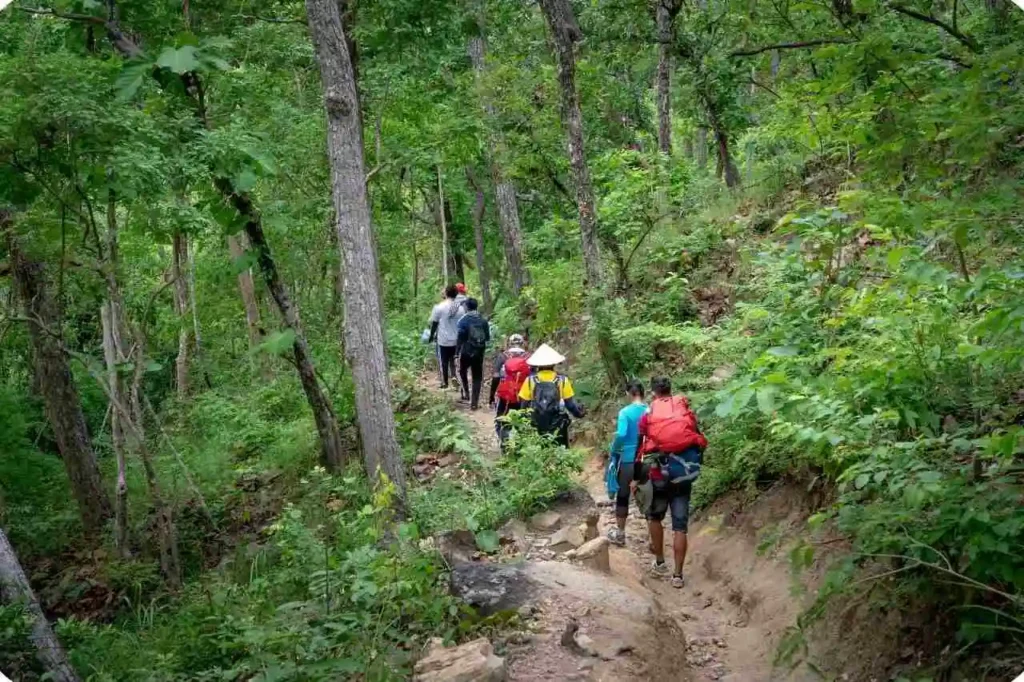
The Kasol to Kheerganga trek is neither very easy nor extremely difficult. In simple terms, it is slightly harder than an easy trek and suitable for most people with basic fitness.
● If You Are Trekking for the First Time
Imagine climbing a mountain for the first time.
If you can walk normally without getting tired quickly and wear shoes with good grip, you can complete this trek.
However, remember one important thing:
The beginning of the trail feels comfortable, but the last 2–3 km involves continuous uphill climbing. At this point, it may feel like the steps never end. Your legs become heavy and you may need frequent breaks. Most trekkers feel tired here.
If you rarely walk or feel breathless after a short distance, the trek may feel difficult.
Simple rule:
If you can walk 3–4 km continuously or climb 3–4 floors of stairs without stopping often, you can reach Kheerganga. Just walk slowly and take short breaks.
● Age & Fitness
- Age 15–45: Usually comfortable
- Above 45: Possible with slow pace and regular breaks
- Below 10: Slightly difficult due to long uphill trail
● The Reality of Fitness
You can complete the trek if you can:
- Walk 3–4 km without stopping, or
- Climb 3–4 floors without excessive breathlessness
● Monsoon vs Winter – When Does the Trek Become Harder?
● Monsoon Season (July–September)
After rain, trails become muddy and slippery. During monsoon:
- Trail becomes slippery
- Small landslides may occur
- Leeches may appear in forest areas
- Fog reduces visibility
Beginners may find this risky, while experienced trekkers can manage it.
● Winter Season (December–February)
Now imagine the trail covered in snow.
- Snowfall possible
- Ice makes the path slippery
- Temperature may drop near 0°C
- Warm clothes and trekking shoes become essential
Heavy snow makes the trek challenging, especially for beginners.
● Best Time to Visit
For an easier and safer experience:
- April to June
- September to November
During these months, the weather is stable, the trail is clear, and the trek feels comfortable with no heavy rain or snow.
● Common Mistakes People Make During the Trek
Remember — you are climbing a mountain, not going for a picnic. Small mistakes can create big problems.
● Wearing the Wrong Shoes
Normal sports shoes often lack grip.
Mountain trails have stones, mud, and slippery patches.
Solution: Wear proper trekking shoes with good grip.
● Starting Late
Starting at 11 AM or 12 PM causes problems:
- Strong sunlight
- Faster fatigue
- Risk of reaching after sunset
Better time: Start around 7–8 AM
● Carrying Less Water
Water is not available everywhere.
Uphill walking causes faster dehydration.
Carry: At least 1–1.5 liters of water
● Overconfidence
Many people walk too fast at the beginning and lose stamina near the end.
Mountain rule: Slow and steady pace works best.
● Not Carrying Warm Clothes
Weather feels warm at the base but becomes cold at the top, especially in the evening.
Carry: At least a light jacket
● No Preparation
Some people start without any walking practice and get tired within 1–2 km.
A few days of regular walking before the trek helps your body adjust.
● Final Advice
Do not underestimate the mountains.
With basic preparation, proper shoes, enough water, and patience, you can complete the trek comfortably and enjoy the experience much more.
🗺️ Kheerganga Trek Packing List (For Those Starting from Kasol)
● Trek Shoes
On this trek, many problems occur not because of tiredness but because of wearing the wrong shoes.
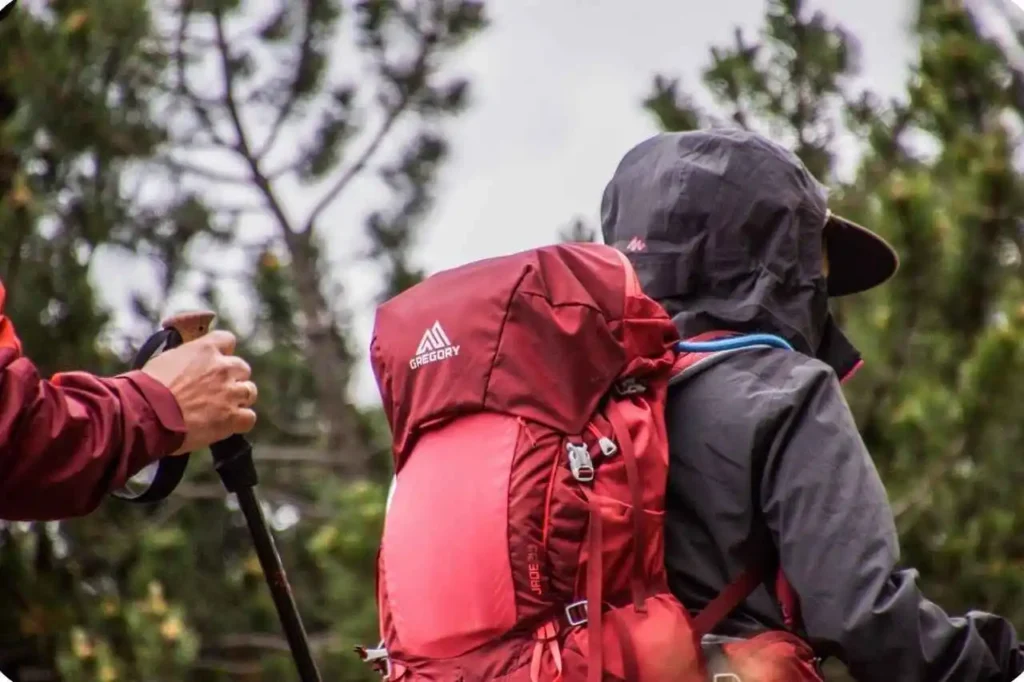
The trail includes forest paths, rocks, and muddy sections. You need shoes with a strong grip sole. Water-resistant shoes are even better. Most importantly, wear shoes you have already used before — do not bring brand-new shoes.
Always carry one extra pair of socks. Wet socks cause burning sensation and blisters.
Avoid these:
- Flat-sole sneakers
- Running shoes
- Sandals / Crocs
- Cheap sports shoes
● What Clothes to Carry (Season-Wise)
Mountain weather changes quickly — hot during the day, cool later, and very cold at night. Pack smartly, not stylishly.
● March – June (Pleasant weather, cold mornings & nights)
- 1 light T-shirt
- 1 full-sleeve shirt (sun and insect protection)
- 1 light jacket / hoodie (useful at night)
- Track pants or trekking pants (avoid jeans)
- Thermals optional for night
- 2 pairs of socks
● July – September (Rainy Season)
Rule: whatever gets wet becomes heavy.
- Only quick-dry clothes
- Poncho or raincoat (essential)
- 2–3 extra pairs of socks
- Polybag / dry bag (to protect clothes inside the backpack)
- Shorts better than lowers (wet lowers stick to the body)
● October – February (Cold & Snow Season)
Cold is serious in this season.
- Thermals (upper + lower)
- Warm jacket / fleece
- Windproof jacket
- Gloves
- Woolen cap
- 2 pairs of socks
On a trek, carry fewer clothes but carry the right clothes.
● Small Items That Help the Most
- Power bank — to charge phone
- Torch / headlamp — do not depend on mobile flash; forest trails get dark quickly
- 1 liter water bottle — cafés are available on the way, so do not overpack water
- ₹500–1500 cash — UPI may not work everywhere due to network or electricity issues
- Sunglasses — sunlight reflection is strong in the mountains
- Sunscreen — tanning happens even in cold weather
- Toilet paper — essential
- Small towel — useful after washing or rain
- Backpack rain cover — important
Medicines (Must Carry)
- Band-aid
- Crepe bandage
- Pain relief spray
- Paracetamol
- ORS sachets
- Personal medicines
- Glucose / chocolate (instant energy)
● Final Tip
A trek usually feels difficult not because of the trail, but because of discomfort caused by poor preparation.
⛺ Kheerganga Stay Options – Ground Reality
● First Understand This
Kheerganga is not a hotel-style hill station.
It is a resting place on top of the mountains, inside the forest.
You will mainly find only two types of accommodation here.
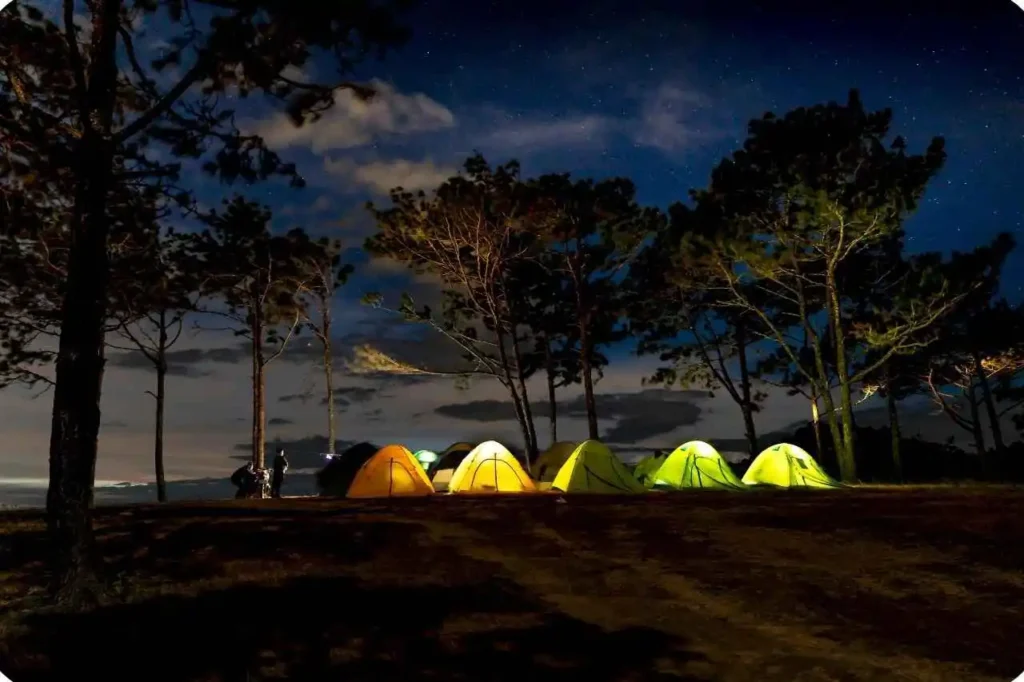
1) Camps (Tents) — Where Most People Stay
The tents you often see in photos with fairy lights are the same ones available on the top.
Approximate Cost
- Winter (Dec – Feb): ₹400 – ₹700
- Summer rush (Mar – Jun): ₹800 – ₹1500
- Monsoon (Jul – Sep): ₹500 – ₹900
- Oct – Nov: ₹700 – ₹1200
(Weekends may cost ₹200–₹300 extra)
● What You Get Inside
Think of a simple camping tent, slightly spacious:
- Thin mattress on the ground
- 2 blankets
- Small light (solar or bulb type)
- Charging sometimes available, sometimes not
● Food
- Dinner: Dal rice / Rajma rice / Maggi
- Morning: Tea + Paratha or Bread omelette
● What You Should NOT Expect
- Fast network
- Reliable charging points
- Clean hotel-style washrooms
- Heater
- 24-hour electricity
- Complete silence (people often talk late at night)
2) Rooms / Huts — Slightly More Comfortable Option
Many people assume only tents are available, but small wooden rooms are also present at the top.
These are not hotel rooms — just more comfortable than tents.
Cost
- Off season: ₹800 – ₹1200 (full room)
- Normal days: ₹1200 – ₹1800
- Peak rush: ₹1800 – ₹2500
2–3 people can stay comfortably.
● What You Get Inside
Imagine a small wooden mountain room:
- Proper bed
- Mattress and blankets
- Lockable door
- Warmer than tents
- Better sleep
Light and charging may or may not be available.
● Booking Reality — Advance or On Arrival?
This is where most travelers get confused.
Kheerganga is not a typical tourist destination where rooms can easily be booked online.
To get accommodation, you first climb the mountain…
and then find your stay after reaching the top.
🛀 Kheerganga Hot Water Spring – What to Expect
Kheerganga, located at the top of the mountain, features a natural hot water pool. It is not like a hotel swimming pool. After completing the trek and feeling exhausted, most people come here to relax and soothe their bodies.
● How the Water Feels
The water is naturally hot and has a slight egg-like smell — this is completely normal and caused by sulphur. The temperature usually stays around 35–45°C, which means it feels quite warm.
The air outside is cold, sometimes around 0–10°C, so the moment you step into the water, your body experiences instant relief and relaxation.
♨️ Kasol to Kheerganga Trip Budget (Detailed Estimate)
Route: Kasol → Barshaini → 12 km Trek → Kheerganga Stay → Return Next Day
After reaching Kasol, you need to travel to a small village called Barshaini, which is the starting point of the Kheerganga trek. The mountain climb begins from here.
Barshaini is close to Kasol — about a 15–20 minute journey. There are three simple ways to reach it:
● Transport Options from Kasol to Barshaini
Cheapest Option
Sometimes a local bus is available for ₹50–80, but it is not fixed. If you find one, consider yourself lucky.
Most Common Option
Shared taxi — most travelers use this. It costs around ₹150–250 per person and is comfortable.
Best for Groups
Private taxi — costs about ₹1200–1800 total. With 4–5 people, it becomes economical.
Stand near the Kasol bridge between 8 AM and 11 AM — shared taxis are easily available there.
● Before Starting the Trek
There are a few unavoidable expenses here, no matter how budget-friendly your trip is.
When you reach Barshaini, you will notice people carrying long wooden sticks. This is a walking stick, not just for style. It helps maintain balance while climbing and descending, otherwise you may slip.
Cost: ₹30–50 (highly recommended)
If the weather looks cloudy or rain is expected, shops rent raincoats for ₹50–100 because mountain weather changes anytime.
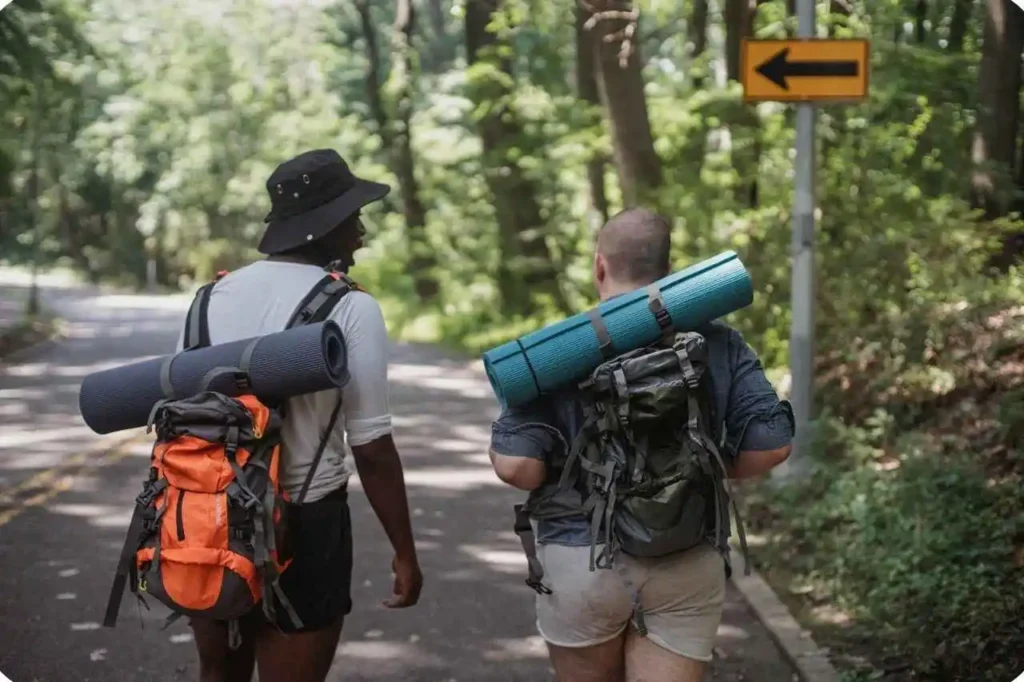
If you have a large backpack, leave it in Kasol and carry only a small bag. Cafes and shops usually store luggage, although some owners charge ₹50–100.
● Stay Options at the Top
There are only two types of accommodation:
1. Tents (Most Common)
Cost: ₹500–700 per person
2. Wooden Huts
Cost: ₹1200–1800
(Limited availability and fills quickly)
Online booking usually does not work. In most cases, you have to book after reaching the top. You may need to search a little, but you will find a place.
● Food Cost at the Top
Everything is expensive because gas cylinders, vegetables, and water are carried up by mules.
- Maggi: ₹120–180
- Tea: ₹40–60
- Paratha: ₹150–250
- Thali (proper meal): ₹250–350
- Omelette: ₹120–180
- Water bottle: ₹50–80
After a 12 km trek, even Maggi feels like a luxury meal. A person usually spends around ₹500–800 on food.
● Budget Estimate
Simple Backpacker Plan (2 Days / 1 Night)
- Travel + taxi: ₹300
- Tent stay: ₹600
- Food: ₹700
- Tea/snacks/misc: ₹200
Total: ₹1800–2200
● 3 Days / 2 Nights Plan (Kasol + Kheerganga Stay)
- Travel: ₹400
- Kasol hostel + Kheerganga stay: ₹1400
- 2 days food: ₹1400
- Extra expenses: ₹300
Total: ₹3500–4200
With this budget, you can comfortably enjoy the trip.
❓ Frequently Asked Questions
Q. What is the distance from Kasol to Kheerganga?
Around 14–15 km total (Kasol → Barshaini by road + trek).
Q. Can beginners do this trek?
Yes. It is a moderate trek — beginners can do it slowly with breaks.
Q. Is the Kheerganga trek safe without a guide?
Yes, generally safe. The path is clear and crowded, just follow the main trail.
Q. Is mobile network available or not?
Works in Kasol & Barshaini. During trek mostly no signal. At the top sometimes weak signal (BSNL/Jio).